
Art Of Styling Your Baby Bump

All mothers to be can’t wait for their babies to come to this world. However, even though beautiful, pregnancy can sometimes be tough on the woman’s body and self-esteem. Luckily, if you’re a mom-to-be, you can rely on some stylish clothes to style your baby bump and still feel and look amazing. So, go through your wardrobe or get the new pieces and style that baby bump relying on these tips. 

Use Loose Fitting Clothes and Busy Patterns

Loose-fitting pieces for the beginning of your pregnancy. Even though there isn’t a bump you still might feel a bit bloated and you might want to hide that and provide a bit more comfort. You can rely on loose-fitting tops or go for a flowy dress and these clothes will help you feel comfier and help you feel less self-conscious about looking bloated. Additionally, clothes with busy patterns will also help you hide any undesirable bulges that aren’t really a baby bump yet. 

Maternity Tops 

Maternity tops are a way better option for styling your baby bump than the regular shirts. This is because they are ruched at the sides which will help you highlight your bump while still keeping your silhouette. A regular shirt will only make you look large and bloated and it will provide no silhouette. So, it’s safe to say that maternity tops will become your best friend and they are really comfy. 

Flowy Maxi Dresses

Unless you have your baby bump during the winter, you can rely on maxi dresses. They are flowy, they are not restraining and you won’t feel bloated and huge. Rather, you will have room for moving, while your baby bump will be accentuated and you will simply look gorgeous. What is more, you can add some accessories to your maxi dress, such as a nice scarf or some simple romantic jewelry and wear the outfit on a date night with your SO.

Ruching All the Way

Just like maternity tops, any piece of clothing with ruching on the sides is simply awesome for your growing baby bump. Not only will such clothes provide some extra space for the bump, but they will help you highlight your bump, instead of just making it look frumpy. What is more, ruching is a pretty trendy style, so it won’t be hard to find various options that are non-maternity clothes. 

Knotted Tops Over Dresses

If you want to look a bit more chic while carrying your child for nine months, you should opt for this combination. Depending on which trimester you’re in, you can pick a maternity or non-maternity dress and throw a stylish top over it. Then put the end of the top in a knot, right above your bump and you are ready. This will help you create an illusion of an empire waist which will nicely highlight your baby bump. Plus, this combo can make a non-maternity dress appear more flattering with your bump and you will simply feel and look amazing. 

Maternity Jeggings are a Must

Everyone puts on their baby weight in different places, but the most common one is on your upper legs. This will make wearing any of the maternity pants and even dresses a bit too difficult and you need something comfy. That is why you should invest in a couple of pairs of maternity jeggings. With these, you will extra space, they won’t tear that easily and nothing will be too tight. Plus, you can easily pair these with any top of your choice and always look stylish. 

Your baby bump is growing more and more with each week, and it may make you feel uncomfortable and bloated from time to time. However, if you know which clothing pieces to focus on, you can easily style your baby bump and feel amazing all the time. So, check out these tips, find your favorite outfits and enjoy every trimester. 
Everything You Need to Know When Choosing Your Dancewear

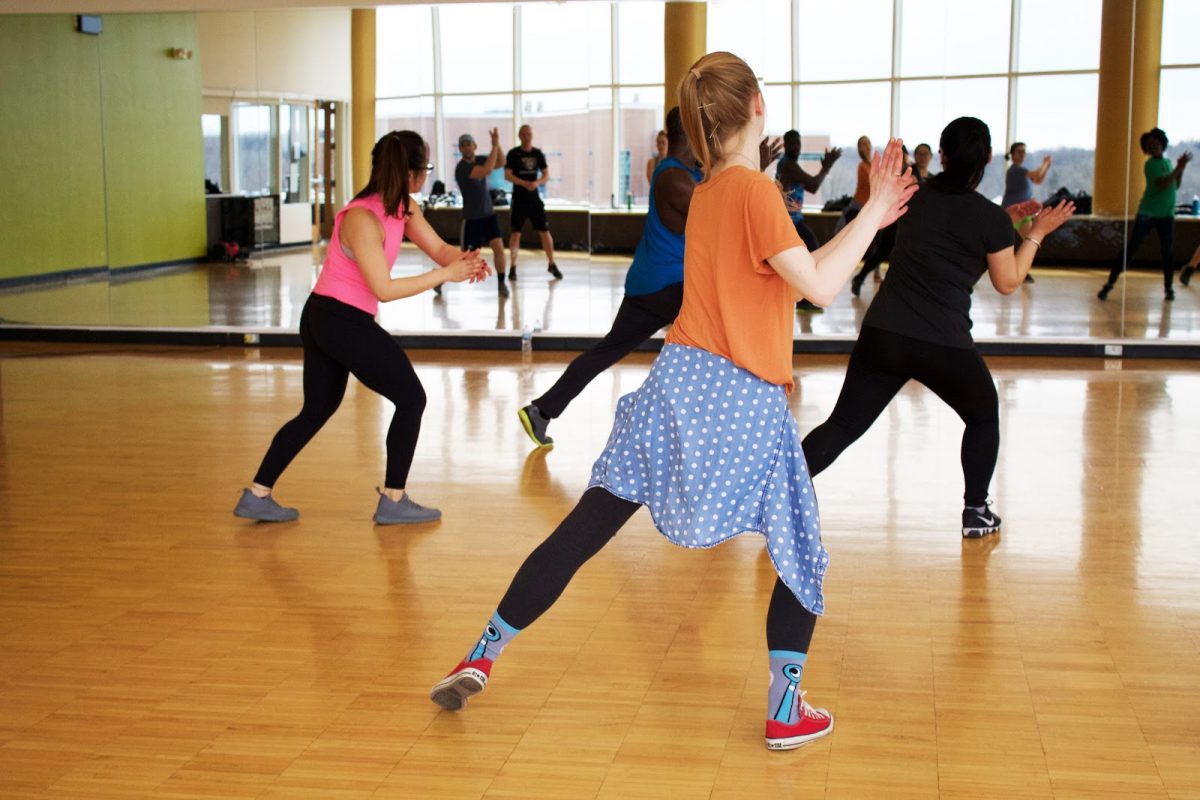
There are different types of dancing, and for each of them, there is a different set of clothes and equipment that you need to have. Of course, some of those might be the same garments, but they should differ in some way. In ballroom dancing, for example, wearing compression shorts is not acceptable, as you should have a dress that will go nicely with the types of dances you perform. On the other hand, if you are practicing jazz ballet, compression shorts might be a good idea. Be as it may, you can never buy dancewear easily. You have to think about many different factors, and if this is your first time buying clothes for dancing, take a look at the most important tips:


Do you need a leotard?

Also depending on the type of dance, you are practicing, you might need a leotard. This is a very popular piece of clothing for dancers, and not only for the dancing lessons, as it can be used and matched outside as well. However, before you opt for buying one, it would be best to check with your instructor what kind of leotard you need. Some dances will require you to have completely different dancing clothes.


Dancing shoes are important

The most important thing you need to pay attention to, however, are the dancing shoes. Just like in any other sport, the comfort of your feet is your number 1 concern. When trying them on, it is important to have exactly the same type of socks you would wear during your lessons or competitions. This is how you will make sure that they fit perfectly. Opt for high-quality dance shoes that will make your feet comfortable and not give you any problems. Do not play around with this and try to save money on your dancing shoes as you might end up with blisters and injuries which can affect your future as a dancer.


Dresses, pants or tights?

What is the piece of clothing that you wear for your dancing classes? As already mentioned, there are different ways in which you can approach your lesson and different dances and clothes that you can wear. If you opt for ballroom dancing, or you prefer to be a girly girl while dancing, you can opt for dresses that will give you the ability to move freely. Other options include dancing pants or even better tights. The latter is also a great way to have freedom of movement, and it will also give you the ability to see your movements in the mirror in front of you. A great way to evaluate your movements and fix what needs to be fixed.


T-shirts and shorts

Of course, you can also opt for tees and shorts if they are something that will make you more comfortable while working out. After all, your comfort is the first thing you need to worry about. If you do not want to use any other activewear and see the movements clearly, you can work out in your tees and shorts. Compression shorts would be best in this case as not only will they give you a better perspective of your range of movements, but they will also prevent injuries. 


Leg warmers

Apart from the regular pieces of clothing that every dancer should have in his or her wardrobe, there are others, let’s say, accessories that can also prove themselves very useful. For example, leg warmers add just a dash of fun and color to the whole look. Yes, they might be helpful as they will keep your legs, feet and your joints warmed up and thus you will be able to easily make certain moves without warming up every once in a while. In the same way, there are also hand warmers that you can also use, but these are not that important for a dancer. 


It is never easy to buy equipment and clothes for the sport that you are training or learning. First of all, all this equipment can be expensive, so many turns to cheaper options, which is a huge mistake. The price might not always be justified, but it definitely means something, and you should always look for high-quality pieces, not only because they will last longer but because they can be helpful to your safety.

5 Tips For Volunteering at Your Child’s School

Every parent wants their child to succeed. Any parent who says otherwise is either crazy, lying, or didn’t hear the question.

It hurts whenever we see our kids struggle with homework or school in general, but you know that’s a large part of life. You try to help out as much as you can and be as involved as possible.

One of those ways of being more involved is to help out or volunteer at your child’s school. If you’re a stay-at-home-mom, it can be a way to occupy your time as well as meet other moms or parents at the school.

Below are five different ways that you can help volunteer at your children’s school. It’s not only beneficial for the school but can be beneficial for your long term physical and mental health. Of course, these are just five quick ideas and there are plenty more out there!

See What Fits Your Schedule

When it comes to volunteering, there are going to be a myriad of opportunities around. You’re going to want something that fits your schedule and something you can commit to on a regular basis.

It does no one any good if you’re being wishy-washy with your time commitments and you don’t show up to anything. See what you are physically able to do and make a plan to stick to it.

See If You Can Use Past Skills

Many schools are looking for volunteers to help students with reading, their homework, or helping with math drills. If it’s elementary school, you’re going to be more likely to help out as opposed to helping high school students with their organic chemistry products.

Some preschools and elementary schools need volunteers to help their students with various crafts or even cooking skills. You don’t have to be a Master Chef finalist, but every little bit will help and you’re bound to have a great time as well.

Of course, you may be asked to do something completely out of your comfort zone and that’s OK! If they need you to help pick out promotional items for the Homecoming dinner, then that’s great too.

Be Involved With the Big Picture

School events, such as open houses, book fairs, Grandparent’s Day, etc. always need plenty of volunteers to help out. See what you can do on those days to help out.

It’s also a great way to see what exactly is going on at your kid’s school. You might have a silent type or feel like you may not be as “in the know” as you would like, but this is a surefire way to see what’s going on in your kids’ lives. It can also be a great way to spend some quality time with your children or see how they interact with others.

Attend Parent-Teacher Events

The best way to network with teachers and be involved in your kid’s life is to make sure you’re attending and volunteering at these parent-teacher events. It could be something as simple as helping set up food before hand or cleaning up after.

It will give you a good chance to not only speak with the teacher, but to maybe get a more personal approach with your child’s teacher or those that work at the school. You can develop a positive relationship with them which can only help in future parent-teacher conferences and other events.

Volunteer With Others

It always helps to be more involved in the community and school if you know more people in that certain community. One you start going to more and more events, you’re going to start meeting more parents. Some of them may have children that are classmates with your child, while some may not.

These can also be fantastic networking opportunities or the chance to make new friends for yourself.

It can also be a chance to volunteer as a family. Make sure you talk with your child about your level of involvement and see how they would react with you being at their school on a regular basis. Younger ones might be happy to have you in the halls while your older children may greet you with a cursory wave from far away.

How to Prepare for Any Kind of Medical Treatment


Any medical treatment and procedure, no matter how routine it might be or not, can cause stress. This is a perfectly normal thing, and there is nothing to be ashamed of. All of us have to go through that once in our lives, and even if it is not the most comfortable thing, we can get through it. However, there are ways to prepare for these kinds of medical treatments, and thus help yourself get through this whole process in a faster and perhaps more effective way. But what does actually preparing for this medical treatment mean? How can one prepare for surgery or another type of procedure?


Talk with your surgeon

One of the most effective ways to make yourself feel comfortable about the whole situation is to talk to your surgeon. The doctor(s) who will be handling the situation should be very helpful, and they will gladly answer all of the questions that you might be having. They will do anything they can to show you that you are in good hands and that there is nothing to worry about. This is not something that they are doing only because of you – this is a win-win scenario, as it is the doctor’s advantage to make you comfortable and relaxed before the surgery. In order to prepare for this, make sure to write down all the questions you might have. 


Do your research


If you are reluctant to talk to your surgeon at this point, or if you don’t feel prepared enough to do so, then you might want to do a bit of research online. Bear in mind that googling your symptoms and the process of the surgery might not give you the right information, so it is always good to find reliable sources. You can search and find if your doctor has an online journal or any videos or articles that you might find helpful. If not, you can always turn to other doctors who do, and go, for example, through the journal of Dr. Timothy Steel who is a pro in spine and brain surgery. You might find very helpful articles and videos on such websites, and this is one of the best types of research you might be conducting for your own health. 

What the recovery includes

Since we all love to see what the future has in store for us, it is quite logical that we need to know what the recovery of the medical treatment or procedure we are undergoing includes. Is it some time spent in bed, or does it mean going to the doctor on a weekly basis for a check-up? Be as it may, make sure to ask your doctor about such issues. Not only do you have to know what to expect from your condition in the future, but this is also a great way to learn what you will be doing and thus plan out your recovery accordingly. A detailed recovery plan will also help you out in having your mind at ease, which is crucial in such situations.


Be positive and surround yourself with positive people

Photo by Priscilla Du Preez on Unsplash

On a final note, it is very important to cut off any negative influences in your life. The medical treatment might not be serious, but a human mind can make anything more severe than it actually is. This is why you need to surround yourself with positive people only and always hope for the best. Negative feelings will not get you anywhere while staying positive can give you that boost in morale that you might need to get through the medical treatment and the recovery process. 

Everything’s in your head, the whole preparation process. You need to be optimistic, to have all the information and details in your head and to hope for the best. Knowing these things, as well as knowing all the risks and disadvantages, will only put you in advantage to get through this. Good luck!

Fun game challenge for parties

The usual fun and games are not enough to save the party. It should have a nice party game challenge to play which will keep it alive.

If you are one of those party lovers that want to have a nice time playing games and taking challenges as you take your favorite drink, then you should be looking for these fun challenges for parties. It doesn’t matter whether you are looking for a food challenge or a whole new game to keep your party rolling, the 4 hour challenge will walk the talk.

What is a party game?

Game party refers to games that are played at social gatherings. They are meant to facilitate interactions and at the same time provide a fun way of celebrating. Party games increase satisfaction and entertainment and at the same time keep the party alive.

It doesn’t matter the kind of a party you are choosing whether indoor, picnic or in large group games. You can choose a partnered game or even parlor races.

Why is a party game necessary?

Fun party games generate some kind of joy and they also create an adorable atmosphere. This means that the party game is intended to generate an adorable atmosphere that will keep people active and participating which are the core aims of every party.

The party games aim at involving as many players as possible. They also need experienced game players and beginners which make people feel happy to try it. The games are aimed at being played socially which ensures that every person in the party is involved. Party games should as well be very easy to practice for the new players to play with ease. As a matter of fact, most participants at the party are just beginners and hence they need a simpler game to keep them happy.

What are the characteristics of a good fun game challenge for parties?

A fun and an involving game challenge for the party should possess any of the below characteristics.

A nice and fun party game should be able to support a relatively large or unidentified number of players. This ensures that the game is involving and will keep the participants very active. Compared to traditional games such as card games and board games, commercial games require a lot of players for the game to be fun.

They encourage team-based play-This is another character of party games. They usually divide the players into two, three or even more parties who later play as a group.

They encourage cooperation and interaction between the involved parties. This is a characteristic that keeps it very entertaining and fun.

The game has some entertaining value for spectators. Most of these games attract a huge crowd of people who regard it as fun and entertaining.

A fun game challenge for parties shouldn’t involve the spending of real money. As a matter of fact, it just involves the use of virtual money. If the game you want to use in a party involves the purchase of some items or to pay something to play, then it’s not a fun party game.

How To Monitor Your Kids Without Spying on Them 

Sometimes, the world seems scary. Things such as global warming, crime, famine, war, disease make us want to keep our kids indoors or to hire a private investigator to follow them around all day. According to the latest statistics, more than 2ooo children are reported missing every day.

Despite these horrible facts, it’s nearly impossible to forbid your kids to play outside on the plastic playground, spend a night over a friend’s house, follow Kim Kardashian on Instagram or dye their hair. They might do all this without you knowing it. Well, eventually, you will see their rainbow hairstyle.

According to PDPlay, playing outside contributes to cognitive and emotional development, improve sensory skills, and increase attention spans in children.

Kids want to explore, become part of the community, and express their individuality. They are going to do something not very thoughtful anyway ( just like you when you were a kid). Making mistakes is part of the learning process. As a parent, you should figure out whether you want to be with them when they are in danger, or you want to be the last to know about their ‘adventure’.

Indeed, monitoring your kids is like walking on thin ice. On the one hand, it would be great to know every little thing about your children in order to help them avoid getting into trouble. On the other hand, they will never agree to you reading their diary just the way you read your Sunday paper. 

Get to know their friends

Being aware of what your kids are doing and who they are hanging out with is the first step. Most kids want to be social because that’s the way they learn and explore the world. You will not always like their friends, but it doesn’t give you the right to speak badly about them and forbid your child from playing with them.

Make sure to invite their friends to your house from time to time. Also, don’t hesitate to get to know their parents. First of all, you might be able to find friends for yourself. Secondly, being on good terms with other parents makes the monitoring process easier.

If you see that your child’s friend behaves inappropriately (swearing, stealing, lying, etc.), talk to your kid about it. It shouldn’t be a negative conversation. All you need to do is to describe the situation and ask your kid about their honest opinion. That’s how you can help your children understand where the line good and bad is and develop their critical thinking.

Have an honest discussion

If you really want to protect your children, warn them about the potential danger. For instance, small kids should be aware that their body parts are private, and no one except a doctor can touch them.

Also, tell them what to do if a stranger starts speaking to them on the street and offering something. Before you start this kind of conversation with your child, tell them that you love them, and want to protect them. It is a much better tactic than using a commanding tone. 

Be their friend

The best way of keeping track of what’s happening in your child’s life is to build trust and become their friend.

Make sure to have one-on-one time with them every day, accept them for who they are, and involve yourself in their interests. It’s important to listen to what they are saying even though you are not the biggest fan of Justin Bieber, Monster High, or League of Legends.

Also, if you want to know your child’s secrets, consider telling them yours as well.

Talk about the media

Some kids have their Instagram profiles before they learn how to walk and speak. Your child is going to have an online presence one day. Maybe they already have, and you just don’t know about it. So, before they create their first Facebook or Instagram account, let them know what they should be aware of. If your child is not even twelve, you might want to ask them for their passwords. Once again, don’t be bossy and respect their decision (in case they refuse to give you their social media account passwords).

Explain to them how they should behave on the Internet. Let them know that they should keep their personal information private, avoid sending their photos to strangers and repost when someone else misbehaves. Encourage them to think twice before they text, post, and share content. The ugly truth is that everything people do on the Internet might stay there forever and even go public.

Consider monitoring programs

If your kids go to school alone, consider installing monitoring programs. Before you do that, let them know about it. If they don’t agree to this, suggest to ‘spy’ on you as well (so that your kids are going to see where you are). 

The bottom line

If you want to protect your kids without spying on them, make sure to establish a trustworthy relationship and become their best friends. Consider inviting their friends to your house so that you can get to know them better.

It’s essential to warn your kids about potential danger and explain to them why you forbid certain things. Before they create their social media account, teach them how to behave online, and how not to develop a social media addiction. Also, consider installing monitoring programs so that you know where your kids are playing.

Parenting is a real challenge, but you should know that you are doing a great job so far!

5 Ways to Plan and Prepare for the Toddler Years

It just seems like yesterday you became a parent to a newborn, now you are transitioning into the toddler years.

The next phase in your little one’s development is probably going to be the most challenging. By now your toddler can walk, run, jump, climb, and is eager to explore their environment. Though, still little, they already have strong opinions on everything.

Be prepared for the inevitable tantrums. They will cry, sulk, demand, and yell. You will wonder why there is so much advice for new parents when this phase is so challenging and there seems to be no comprehensive manual.

Well, here are 5 ways to plan and prepare for those toddler years.

Toddler Safety

Injuries are common for children under the age of four. Some of these injuries may be preventable. As your precious little one grows into a toddler it’s vital that you take precaution to ensure your home is safe as your toddler explores their environment.

Start by putting measures in place to prevent falls for your toddlers. For example, install safety guards on balconies and railings on stairs. Ensure, however, they are at least two meters in height and that the gaps between the rails are no wider than 12.5cm.

Toddlers are often very good at climbing and squeezing through small spaces. Remove as many of these possibilities as possible.

Also, if you often travel in the car with your child, you may want to start transitioning from the rear-facing baby car seat to a booster seat for your toddler as their height and weight allows you to lawfully do so.

The move from a baby seat to a booster seat ensures your bundle of joy is properly secured with the appropriate age seat harness.

Toddler Play

Understand that your toddler is keen to explore their environment and often they do this through play.

By playing and interacting with others your child learns valuable life lessons that stay with them. For example, your child might sometimes want to draw which is an excellent way to explore their creativity.

Create a space for your toddler to be able to do this so you do not end up with scribbles on your lounge, walls, and doors. Yes, it happens!

Your duty as a parent is to create a conducive and safe environment for them to play. You can also learn about age-specific games to suggest during their playtime.

Take advantage of every playtime to encourage them to learn and practice new skills. For example, while doing your laundry, you can get them to sort your socks and theirs.

Playgroups are a great means of allowing them space to play. This was the only times my kids got to paint. I was not game enough to deal with the mess paint creates at home.

Toddler Education

Stimulate your toddler’s interest in learning by reading, talking, and singing to them. As you sing, talk, share stories every day with your child you are helping them become familiar with sounds, words, and language which will help their literary abilities.

You can start by familiarising them with the letters of their name. Then, associating each letter with a different word.

Use rhymes and songs to get words to stick and while reading to them be sure to point under each word as you read them out.

Also, ensure storytelling is done regularly, is relaxed and fun that way your child will look forward to it. Take your cue from your little one, there are days they may not want to spend time reading, that’s OK too.

Toddler Behaviour

You will find at this age your toddler has a handful of ways to show their displeasure at something. It is not uncommon for the child to throw tantrums, yell, refuse things, throw away their toys, and even bang their head on the ground in order to have their way, get your attention, or show they are unhappy.

You should first seek to understand why your child is behaving in a certain way. Have they had enough sleep recently? Is the child healthy?

Lack of adequate rest could influence how your toddler reacts to situations. Plus, these challenging behaviors could be an early sign they are not healthy – you might want to take them to your physician for a checkup.

Toddler Sleep

Understanding your child’s changing sleep pattern will help you train them to master a healthy sleeping routine.

One positive at this stage of your child’s development is that they are likely to sleep through most nights without waking, unlike the early days.

However, the real work is in actually getting them to bed in the first place. So, you may want to maintain a firm and consistent sleep routine.

It is worth noting that it’s normal for most toddlers to sleep an average of 10-12 hours a day. 10 hours of sleep in the night and 1-2 hours of nap during the day.

A New Mom’s Guide to Using Breast Pumps

Being a new mom can be both exciting and scary. There are many things that you must learn as you navigate through all the do’s and don’ts of parenthood. One of the first things that every mom takes on is breastfeeding. After all, breast milk is dubbed as the “superfood” for a reason.

However, every once in a while, you will be unable to breastfeed your baby. You might think that you will always be around 24/7, but eventually, reasons will appear. You may have to go back to work or perhaps your little one is unable to latch on properly. The good news is, you can use a breast pump to collect milk and store it for future meals. Because you can create a stash of milk, your baby will not have to skip this nutrient-filled food. 

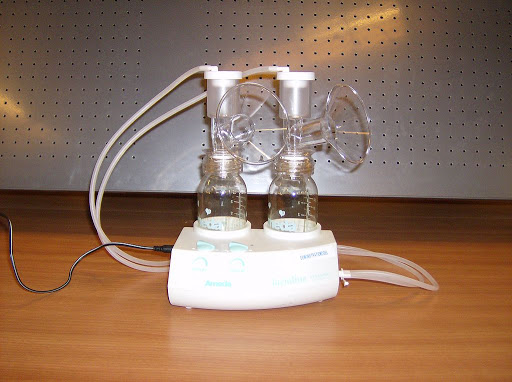
There are 2 types of breast pumps, electric and manual. Manual pumps are less expensive than their electric counterparts and are travel-friendly because they don’t need an outlet to work. Electric breast pumps, on the other hand, take no effort to use and are more efficient in expressing milk. But if you’re worried about portability, according to CuteLittleDarling.com, you can now find an electric breast pump that is rechargeable. What this means is you can also take your unit with you wherever without worrying for a power source. 

When Can You Start Pumping?

Some moms immediately start pumping right after their baby is born. The reason for this is because pumping can help encourage their milk supply. If the child is born premature, his/her mom can start early on pumping as well.

However, do note that it is crucial that you have established breastfeeding first before bottle feeding. This usually happens around your baby’s 4 to 6 months of life, and after this, you can pump in between your feeding sessions. The back and forth expressing of milk in breastfeeding and pumping allows you to drain your breasts more efficiently and prevent engorgement.

If you have to leave for a long duration, you can start pumping 2 to 3 weeks beforehand to get more comfortable. Pumping this early also lets you collect enough milk for your baby.

When is the Best Time to Pump?

The short answer is during the day, or better yet, in the morning. Your breasts are going to be naturally fuller during this time, which can help you pump more efficiently. If you are interchangeably breastfeeding and pumping, you can do your session an hour after you breastfeed your baby in the morning. However, you can also pump during the evening if this is more convenient for you.

Some moms even use a manual pump type called a milk catcher. Pumping using a milk catcher is also called passive pumping because it only catches the milk from your breast as you breastfeed with the other. Passive pumping is an efficient way to avoid wasted milk and expand your stash.

Speaking of expanding your milk stockpile, pumping every 2 hours in-between breastfeeding can also help in increasing your milk supply. Milk production works in a supply and demand scheme, which means, to maintain your production level, you have to keep your demand.

If you’re not with your baby, you can pump at the same time with his/her breastfeeding session. This way, you can keep your milk supply level high. If you are replacing missed breastfeeding sessions, it is best that you pump every 3 or 4 hours similar to a baby’s milk demand.

How Long Should It Take Using the Pump?

The duration of each mom using a pump will vary individually. Some women only need 15 minutes to express the right amount of breast milk, while some take twice the time. Once you notice that your breasts feel drained and the milk flow is slowing down, you can stop your session. 

As we have said earlier, you can pump every 3 or 4 hours. This takes a total of 8 to 10 times a day and usually gives you more than a thousand milliliters of milk. Pumping for this duration can boost your milk production and allows you to drain your breasts with milk efficiently. 

How to Prepare for a Pumping Session

It is essential that you feel relaxed and comfortable before pumping. Some people even suggest thinking of your baby as it contributes to stimulating your body to produce milk.

You can also massage your breasts before (and during) pumping or put a warm compress on them to stimulate milk let-down. Besides these methods, check if you have the perfect flange size will make pumping more effective and comfortable. 

How to Use a Breast Pump

Each model may have a specific direction unique to it, which is why it is best to read its manual first. However, some general things that you must know in using a breast pump involve the following:

  • Check if you have the right flange size. You can also moisten the flange itself with water to create a good seal. 
  • Your nipple must be in the center of the flange before you start pumping.
  • Start with a low suction level. Most pumps on the market mimic a baby’s suction rhythm, which involves 2 phases; stimulation and expression.
  • After each use, make sure that you clean your pump. Closed system pumps are easier to clean because it has a barrier between the pump mechanism and the collected milk.
  • Pay attention to the pump parts that are in contact with the milk and your breast. Clean and scrub them with hot water and liquid soap and then air dry. You should also check if the unit you have is dishwasher safe to save time.

How to Store Breast Milk 

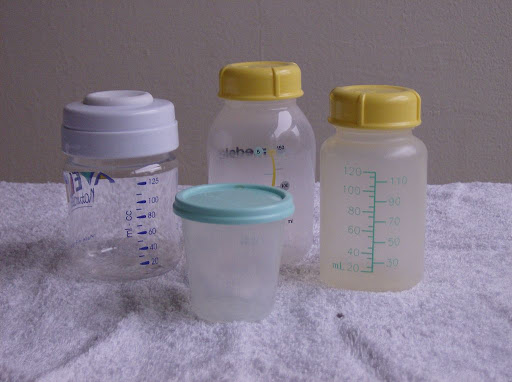
First, fill your milk bottles only three-quarters full. The reason for this allowance is because frozen milk can expand. You should also never freeze milk in large quantities as they will be difficult to thaw.

You can store freshly expressed milk for as long as 4 hours in room temperature. Keep in mind that they must be away from any sources of heat. If you put your milk in the fridge, its lifespan can last up to 4 days. But if you want a longer preservation period, you can opt to put your stash in the freezer for as long as 6 months. Pro tip: Label each milk bottle to keep track on which you should use first.

How to Choose the Perfect Senior Housing Option

Finding the right senior housing options for you can be a challenge. Retirement is a major life change, and the reality is often a major surprise compared to what people expect as they reach retirement age. But when it comes to senior housing, there are more options today than there have ever been.

Starting in 2035, an estimated 2.5 million seniors plan on moving out of their homes, and today’s seniors have very different expectations about what senior housing should look like. The industry has taken notice and they’re coming up with innovative solutions to give seniors more choice.

The Senior of Tomorrow

There are some major differences between today’s and tomorrow’s seniors and older adults in the past. For one, many Boomer seniors are actually financially better off than their children. They’re going to have to rely more on their own resources for senior housing. Second, they’re generally healthier and living longer, expecting to live independently for longer. Finally, many are hoping to find retirement residences with a comfortable atmosphere and a focus on community engagement and social life.

What to Look for in a Retirement Community

#1 Independent Living

Independent living is housing designed for seniors – ranging from separated houses to apartments – that’s friendlier to older adults, easy to navigate, more compact, and requires no maintenance or yard work.

There may be options where you don’t have to worry about cooking, cleaning, or laundry, and most offer amenities like swimming pools or tennis courts. There are also likely to be no shortage of events and activities like exercise programs, holiday gatherings, gardening, movie nights, art classes, and more.

#2 Smart Design

Although moving into a smaller home or senior living apartment may mean less space, it should be better designed. You will need wider hallways, accessibility fixtures in the bathroom and kitchen beyond grab bars such as walk-in bathtubs, non-slip floors, and levers instead of doorknobs. These will make navigating easier even if you require a walker or wheelchair, and they will reduce the risk of injury later.

#3 Location

How close is it to your community? To family and friends? Is it convenient for doctors’ offices, shopping, parks, and other amenities? The most important factor in location is whether or not it’s close to communities, places, and people that are important to you.

You should also consider whether or not alternative transportation options are available, as older seniors drive less. Is the location walkable, close to transit, or do the facilities offer shuttle buses?

#4 Prepare for Changes in Your Health

Many consumers don’t think about changes in their health when they find a new place to live in. There are increasingly senior living options that provide flexible care options: nursing care or even memory care available in senior living apartments so that you don’t have to move again. Once is enough.

#5 Affordability

Finally, there’s affordability. While many seniors would prefer to stay in their homes, it may not be practical given the costs of retrofitting – or the fact that many of today’s retirees have most of their net worth in their homes. Selling is the most effective way to tap into that equity reliably.

You’re going to have a lot of options for senior housing. Look at your finances and consider your priorities before you make your decision. 

Edwards Syndrome: Overview, Diagnosis, and Risks

Edwards syndrome, or trisomy 18, is a rare genetic condition in which an individual has one or more extra copies of the 18th chromosome. For the most part, Edwards syndrome occurs randomly as a result of an error during meiosis, which is the process of sex cell division, but it may be possible for someone to be a partial carrier of this condition. (A partial carrier is someone who has the genetic mutation which causes Edwards Syndrome but doesn’t show symptoms and is at risk for passing it on to their children.)

Trisomy 18 is associated with significant developmental problems, and babies born with it will usually have a reduced life expectancy. However, if you are pregnant, it is possible to find out whether your baby is affected by Edwards syndrome in the womb. This knowledge can help you to make important decisions about your prenatal care, and your baby’s care after birth.

How is Edwards Syndrome Detected?

Edwards syndrome can often be detected in a fetus within 7 days of undergoing the MaterniT21 PLUS prenatal screening. This non-invasive blood test poses no harm to the developing child but can inform of the baby’s likelihood to be born with a number of genetic abnormalities. If a prenatal screening test shows signs that a baby has a chromosomal abnormality, additional testing will be necessary. Prenatal genetic screening is not considered a diagnostic test.

How is Edwards Syndrome Diagnosed?

Trisomy 18 can be diagnosed before and after birth. The only way to diagnose this condition before birth is by undergoing some form of prenatal diagnostic testing, including amniocentesis and chorionic villus sampling. These tests involve inserting a needle into the uterus to remove a small sample of the placenta or the baby’s amniotic fluid. The DNA from the sample is then tested in a lab to confirm any genetic abnormality.

Edwards syndrome can also be diagnosed after birth when symptoms of the condition become apparent and the doctor performs a physical exam on the child. This diagnosis will always be confirmed with DNA testing in order to verify the presence of an extra 18th chromosome.

What are the Symptoms of Edwards Syndrome?

Depending on the location of the extra 18th chromosome, symptoms of Edwards syndrome will vary in severity. Babies with this condition will often be low in weight, cry softly, and will have difficulty growing. They may also be born with underdeveloped organs and abnormally small body parts.

What are the Risks of Edwards Syndrome?

Due to the wide range of developmental problems in these children, only 5-10% live beyond their first year. Those who survive past the first year often face considerable health challenges and intellectual disability that can make independence difficult.

Females are more likely to survive longer with this condition, though lower mortality rates have been noted for those with higher birth weights of both genders

Speak with Your Doctor

Remember that most babies are born healthy, but if you are concerned that your baby may be born with a genetic disorder, speak with your doctor. They will be able to recommend specific testing options that are right for you and your medical history, as well as answer any questions you may have about the condition or the process.

If your child is found to have Edwards syndrome while still in-utero, you may have additional questions about their condition and their future care. A genetic counselor may help make this news more manageable by helping guide you and your family through the pregnancy and planning for the future.