

How to Preserve the Character of a Heritage Home

Owning a heritage home comes with a unique responsibility that extends well beyond typical homeownership. These properties carry genuine historical and architectural significance, and preserving that character requires a thoughtful, informed approach that respects the original design while still accommodating the practical needs of modern living.

Getting this balance right is not always straightforward, but understanding the key principles involved makes it considerably easier to maintain a heritage property’s genuine character without compromising on comfort or functionality.

Understanding What Makes a Home’s Character Worth Preserving

Before making any changes to a heritage property, it helps to genuinely understand what specific elements contribute most to its historical and architectural character. This might include original materials, distinctive architectural details, or the particular way the building relates to its surrounding streetscape and neighbourhood context.

Researching the property’s history, and where possible consulting local heritage records or organisations, provides valuable context that informs every subsequent decision about maintenance, restoration, or any necessary modifications going forward.

Working Within Heritage Overlay Requirements

Many heritage properties fall under specific planning overlays that regulate what changes can be made, particularly to visible exterior elements. Understanding these requirements early in any renovation or maintenance planning process prevents costly mistakes and ensures any work undertaken remains fully compliant with relevant local regulations.

Engaging with local council heritage officers early in the planning process, rather than after work has already begun, generally leads to a smoother approval process and often surfaces valuable guidance that genuinely improves the final outcome of any planned work and helps avoid unnecessary delays.

Preserving Original Roofing Wherever Possible

The roof is frequently one of the most visually significant elements of a heritage property, and preserving its original character matters enormously to maintaining overall architectural integrity. Proper heritage roofing work focuses on repairing and maintaining original materials wherever genuinely possible, rather than defaulting to full replacement with modern alternatives.

Where replacement does eventually become necessary, sourcing materials that authentically match the original in both appearance and, ideally, composition helps preserve the property’s character far more effectively than a generic modern substitute ever could.

Balancing Authenticity With Practical Modern Needs

Heritage preservation does not mean living entirely without modern comfort and convenience. The skill lies in finding ways to incorporate necessary modern updates, from insulation to plumbing, in ways that respect and, where possible, remain hidden from the property’s original character and visible architectural features.

Working with professionals genuinely experienced in heritage properties specifically, rather than general contractors unfamiliar with these particular sensitivities, makes a considerable difference to achieving this balance successfully and sustainably.

Planning for Long-Term Preservation

Preserving a heritage home’s character is an ongoing commitment rather than a single project completed once and then forgotten. Regular maintenance, undertaken with the same care and attention as any major restoration work, prevents the gradual deterioration that can eventually necessitate more drastic and less authentic intervention.

Building a relationship with tradespeople and specialists who understand and genuinely respect the property’s heritage significance ensures this ongoing care remains consistent and appropriate, protecting the home’s character for future generations to enjoy as well.

Learning From Other Heritage Homeowners

Connecting with other heritage property owners, whether through local heritage societies or informal community networks, provides valuable practical insight that goes beyond what any single professional or council resource can offer. Others who have navigated similar restoration and maintenance decisions often share hard-won lessons that can save considerable time, expense, and frustration.

These relationships also often lead to recommendations for genuinely experienced, heritage-appropriate tradespeople, which can be considerably harder to find through general searching alone given how specialised this kind of work genuinely is.

Recognising the Long-Term Value of Careful Preservation

Beyond personal enjoyment, thoughtfully preserved heritage properties frequently command strong buyer interest and premium value on the rare occasions they do come to market, reflecting the genuine scarcity and character these homes offer compared to standard modern construction.

This long-term value, combined with the personal satisfaction of maintaining a genuinely significant property, makes the ongoing effort of careful heritage preservation a worthwhile investment on multiple levels, both financial and deeply personal, for the current owner and those who follow.

Preserving the character of a heritage home requires genuine understanding, careful navigation of regulatory requirements, and a thoughtful balance between authenticity and modern practicality. With the right approach and the right specialists involved, it is entirely possible to maintain a property’s historical significance while still making it comfortable for everyday modern living.

For heritage homeowners, this ongoing commitment to preservation is ultimately what protects not just their own property, but a small piece of the broader architectural and cultural history of their community for years to come, ensuring these homes remain treasured for generations still to follow.
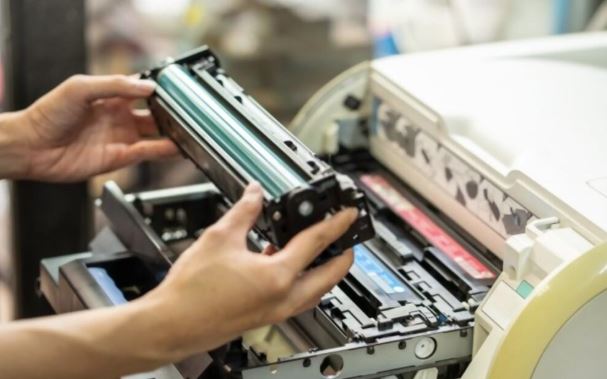
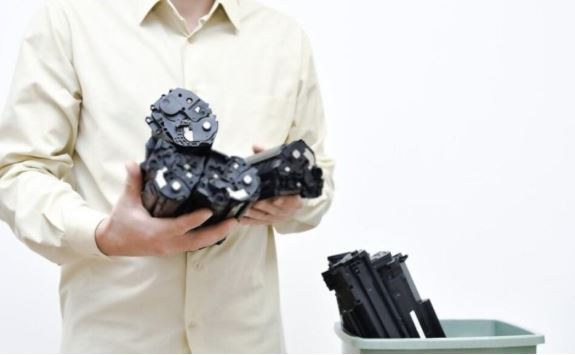
Who Will Take Full Toner Cartridges in Australia? A Complete Guide to Responsible Disposal

Many homes and businesses across Australia use printers regularly, which means empty and unused toner cartridges can quickly build up. While many people know that used cartridges should not simply be thrown into general waste, they are often unsure about what to do with full or unwanted toner cartridges. Fortunately, several organisations, recycling programs, and specialised services can help Australians dispose of toner cartridges safely and responsibly.

Whether you have leftover stock, outdated cartridges, or unopened toner supplies that are no longer needed, there are practical options available to reduce waste and support environmentally friendly recycling.

Why Should You Avoid Throwing Toner Cartridges Away?

Toner cartridges contain plastic components, metal parts, and fine powder that can take years to break down in landfill. When discarded incorrectly, these materials contribute to unnecessary waste and may affect the environment.

Recycling or returning toner cartridges helps recover valuable materials, reduces landfill pressure, and supports a circular economy where products are reused instead of wasted. Many manufacturers also encourage customers to return cartridges through official recycling programs.

For businesses that use a large number of printers, responsible toner disposal can also improve workplace sustainability practices.

Printer Manufacturers That Accept Toner Cartridges

Many major printer brands in Australia offer take-back programs for their own cartridges. These services allow customers to send back unwanted cartridges for recycling or proper processing.

Companies such as printer manufacturers often provide free return options for customers, especially businesses that regularly replace large volumes of cartridges. These programs are designed to make recycling convenient while ensuring cartridges are handled through approved recycling channels.

Before returning your cartridges, check whether the manufacturer accepts your specific model and whether there are any requirements for packaging or delivery.

Office Supply Stores and Recycling Drop-Off Locations

Some office supply retailers in Australia provide collection points where customers can drop off used or unwanted toner cartridges. These locations make recycling easier because people can combine cartridge returns with regular office supply purchases.

Businesses with multiple cartridges may also benefit from collection services that allow larger quantities to be recycled at once.

When visiting a drop-off location, it is recommended to confirm whether they accept full, unopened, or only empty cartridges, as policies can vary between providers.

Toner Recycling Companies in Australia

Specialised recycling companies focus on collecting and processing printer cartridges from homes, offices, and commercial workplaces. These companies often accept different brands and types of cartridges, making them a useful option for people with mixed supplies.

Some recycling services collect cartridges directly from businesses, while others provide mailing options. This is especially helpful for companies that want a simple solution for managing printer waste.

Professional recycling providers ensure that usable components are recovered and materials are processed responsibly rather than ending up in landfill.

Can You Donate Full Toner Cartridges?

If you have unopened toner cartridges that are still in good condition, donation may be another option. Some schools, community organisations, charities, and small businesses may accept unused printer supplies.

Before donating, check that:

  • The cartridge packaging is sealed.
  • The cartridge is compatible with commonly used printer models.
  • The toner has not passed its recommended storage period.

Donating unused supplies can help organisations save money while preventing perfectly usable products from becoming waste.

Selling or Giving Away Unused Toner Cartridges

Who will take full toner cartridges in Australia that are still usable may have resale value. Many individuals and businesses look for affordable printer supplies, especially for older printer models.

Online marketplaces, local business groups, and office communities can be useful places to find someone who needs your unused cartridges.

Providing accurate information about the cartridge brand, model number, condition, and expiry details will make it easier for interested buyers or recipients to use them.

What Businesses Should Do With Excess Toner Stock

Businesses often end up with extra toner after upgrading printers or changing office equipment. Instead of storing unused cartridges for years, companies should consider recycling, donating, or transferring them to another organisation.

Creating a simple cartridge management system can prevent over-ordering and reduce unnecessary expenses. Businesses can also work with recycling providers that offer scheduled pickups for larger quantities.

This approach helps companies meet sustainability goals while keeping workplaces organised.

Tips for Preparing Toner Cartridges for Recycling

Before sending cartridges for recycling, follow these simple steps:

  • Keep cartridges in their original packaging if available.
  • Store them in a dry place away from extreme temperatures.
  • Avoid opening toner containers.
  • Separate damaged cartridges from usable ones.
  • Check recycling guidelines before sending them.

Proper preparation makes the recycling process safer and more efficient.

Final Thoughts

Finding someone to who will take full toner cartridges in australia is easier than many people expect. From manufacturer return programs and recycling companies to donations and resale options, there are several responsible ways to manage unwanted toner supplies.

Instead of sending cartridges to landfill, Australians can choose environmentally friendly solutions that support recycling and reduce waste. Whether you are a homeowner with a few spare cartridges or a business managing large quantities, responsible disposal helps protect the environment and encourages better resource management.