
 Posted by
 October 20, 2026

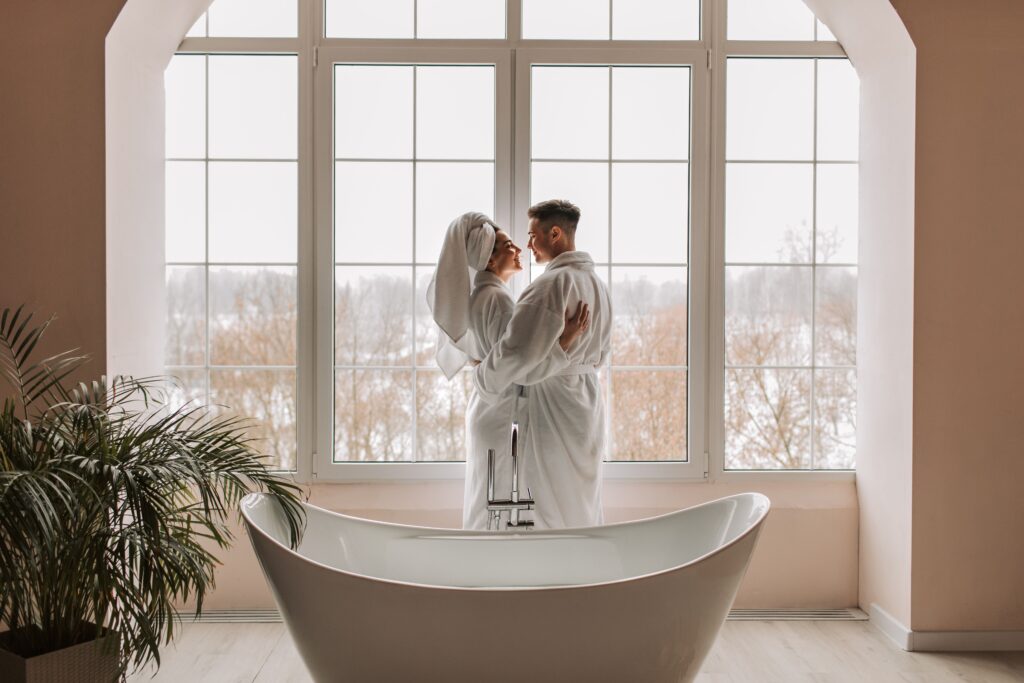
Australians are not always good at winter. Many of our homes were built with summer in mind, featuring large windows, tiled floors, minimal insulation and draughty gaps around doors. That works beautifully in January, but on a frosty July morning in Canberra, Ballarat or the Blue Mountains, stepping out of bed onto a cold floor feels like a test of willpower. Nowhere is this more obvious than in the bathroom, where tiles, glass and porcelain seem designed to stay icy until spring.
With a few thoughtful changes, the bathroom can become one of the warmest, most comforting rooms in the house during the colder months.
Why Bathrooms Feel So Cold
Hard surfaces such as tiles and stone conduct heat away from your skin quickly, which is why they feel colder than carpet or timber at the same temperature. Bathrooms often have external walls, small windows that leak heat, and exhaust fans that pull warm air outside. Many are also located on the cooler southern side of the house.
Moisture adds to the problem. Damp air feels colder, and condensation on windows and mirrors can encourage mould if the room never properly dries out.
Heating Options Worth Considering
Ceiling heat lamps, often combined with an exhaust fan and light, are common in Australian bathrooms. They provide quick radiant heat but can be harsh and energy-hungry. Wall-mounted fan heaters designed for wet areas warm the air more evenly. Heated towel rails take the chill off towels and can gently raise room temperature if left on for a while.
For renovations, underfloor heating is the gold standard. Electric mats beneath tiles warm the floor from below, making mornings dramatically more pleasant. Running costs vary, but timers and thermostats keep them manageable, with the system switching on shortly before you wake.
Insulation and Draught Proofing
Heating is only half the equation. Keeping warmth in matters just as much. Check for gaps around windows and doors and seal them with weatherstripping. Thermal blinds or curtains on bathroom windows reduce heat loss. If the ceiling space above the bathroom is accessible, adding insulation can make a noticeable difference.
Exhaust fans with self-closing dampers prevent warm air escaping when the fan is off, while still allowing proper ventilation after showers.
Little Comforts That Add Up
Small changes can make a cold bathroom feel more welcoming. A thick bath mat or washable rug protects bare feet from chilly tiles. A dressing gown and slippers kept on a hook by the door are easy to reach after a shower. Warm-toned lighting makes the space feel cosier, even when the temperature is the same.
The toilet seat is one of the coldest surfaces in any bathroom during winter, and it is one many people never think to change. Electronic bidet seats solve this neatly, with heated seating that can be set to a comfortable temperature and warm water cleansing that removes the shock of cold water on a winter morning. Many households that install one for winter comfort end up valuing the hygiene and drying features year-round.
Managing Condensation
Long, hot showers are tempting in winter, but they create a lot of moisture. Run the exhaust fan during and for at least fifteen minutes after showering. Wipe down glass and tiles with a squeegee to reduce moisture lingering on surfaces. Leave the door open afterwards, if privacy allows, to help air circulate.
If condensation is persistent, a small dehumidifier can help, particularly in apartments with limited ventilation. Empty its tank regularly and clean the filter every few weeks so it keeps working efficiently through the season. Keeping the bathroom door closed while the dehumidifier runs also helps it focus on the room that needs it most.
Energy Efficiency Matters
Winter heating can drive up power bills quickly. Choose energy-efficient appliances, use timers and thermostats, and only heat the bathroom when it is being used. Heated towel rails, for example, can be set to run for an hour in the morning and evening rather than all day. LED lighting reduces energy use compared to older halogen fittings.
If your home has solar panels, scheduling heating appliances during sunny periods can reduce reliance on grid power, although winter output is lower.
Safety in Wet Areas
Electrical appliances in bathrooms must comply with strict standards. Never use portable heaters that are not rated for wet areas, and never run extension cords into a bathroom. Any new hardwired fittings, from heated towel rails to underfloor heating, should be installed by a licensed electrician to ensure they meet safety requirements.
Making Winter Something to Enjoy
Winter does not have to be endured. With a warmer, more comfortable bathroom, morning routines become easier, evening baths become a treat and the whole household feels the difference. Some of the most effective changes are surprisingly simple and affordable, while larger upgrades can be planned into future renovations. Either way, a cosy bathroom is one of the quiet pleasures that makes the colder months feel a little shorter.