
 Posted by
 November 23, 2026

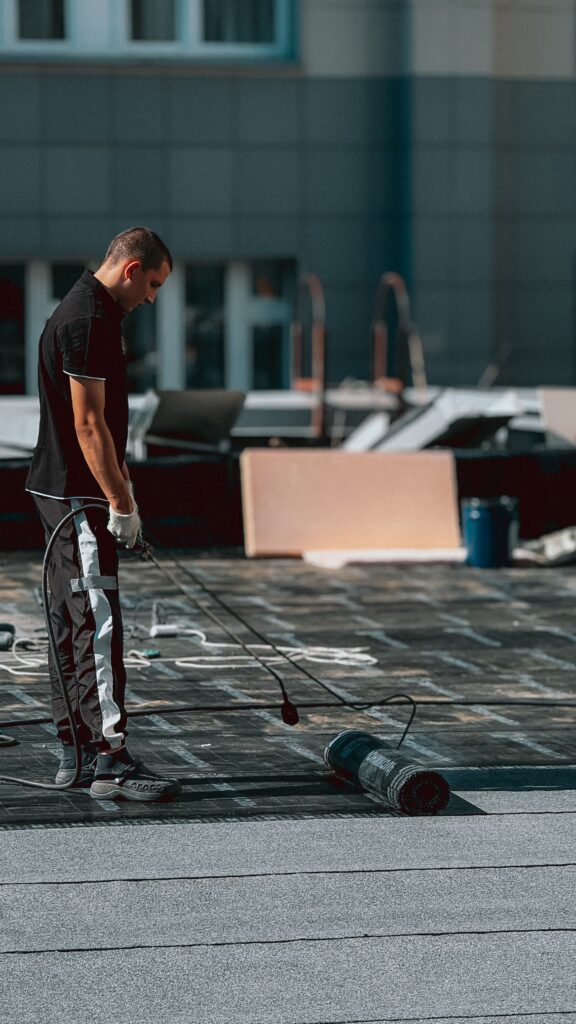 Water is patient. It finds the smallest crack in a wall, the tiniest gap around a window, or a failing seal on a balcony, and it keeps working until a minor problem becomes an expensive one. That is why waterproofing Clayton properties properly is one of the smartest investments a homeowner or landlord can make. This guide explains where leaks start, what good waterproofing involves, and how to choose the right approach for your building.
Why Waterproofing Matters
Moisture rarely announces itself loudly at first. You might notice a musty smell, a patch of peeling paint, or a bubbling skirting board. By the time damage is obvious, the water has often been seeping for months. Left alone, it can cause mould growth, timber decay, corroded steel, cracked concrete and poor indoor air quality.
Professional waterproofing Clayton services exist to stop that chain reaction before it starts. A well-applied membrane creates a continuous barrier, so water stays out of the structure and away from the places you live, work and store belongings.
Common Problem Areas
Some parts of a building are far more vulnerable than others. If you are planning waterproofing in Clayton, check these areas first:
- Bathrooms and laundries: Constant splashing, steam and shifting tiles make wet areas the most frequent source of leaks.
- Balconies and decks: Direct exposure to rain and sun causes membranes to crack and drainage to fail.
- Basements and retaining walls: Soil moisture and groundwater press against the structure from outside.
- Roofs and flat roof sections: Pooling water, blocked gutters and ageing sealants let moisture in from above.
- Planter boxes and podium slabs: Constant soil contact puts heavy demands on any waterproof layer.
Signs You Need Waterproofing
You do not have to wait for a visible leak. Watch for these early warnings:
- Stains or discolouration on ceilings and walls
- Paint that blisters, flakes or peels
- White, powdery deposits (efflorescence) on masonry
- A persistent damp or musty odour
- Loose or hollow-sounding tiles
- Mould in corners or around window frames
If you notice any of these, an inspection can confirm whether waterproofing Clayton work is needed or whether a simpler repair will do.
What Good Waterproofing Involves
The quality of the finished job depends on preparation as much as on the product. A reliable process usually follows these stages:
Inspection and diagnosis. A specialist locates the real source of the moisture rather than treating the symptom. Water often travels a long way from the entry point before it shows up.
Surface preparation. Old coatings, dust, loose material and contaminants are removed. Cracks are repaired and substrates are made sound, because a membrane is only as good as the surface beneath it.
Membrane application. Depending on the area, this could be a liquid-applied membrane, a sheet system or a cementitious coating. Corners, joints and penetrations such as pipes and drains receive extra detailing, since these are the usual failure points.
Curing and testing. The membrane needs proper time to cure. In wet areas, a flood test is often carried out to confirm the system holds before tiles or finishes go on.
Documentation. Reputable contractors provide a written warranty and record the products used, which protects you later if you sell or claim.
Choosing a Waterproofing Contractor
Not every contractor delivers the same standard. When comparing options for waterproofing Clayton jobs, look for:
- Relevant licensing, insurance and trade qualifications
- Experience with the specific area you need treated
- Clear written quotes that name the products and method
- A workmanship warranty and a product warranty
- Reviews and photos of completed local projects
Be cautious of unusually low quotes. Cutting corners on preparation or materials often leads to repeat work, and re-doing a failed membrane means stripping out tiles and finishes, which costs far more than doing it right once.
The Cost of Waiting
Many property owners delay because waterproofing feels like an invisible expense. Yet the numbers favour acting early. Fixing a failing balcony membrane is a fraction of the cost of replacing rotted framing beneath it. Treating a damp wall is far cheaper than remediating widespread mould. Quality waterproofing Clayton work also supports resale value, because buyers and inspectors look closely for moisture problems.
Maintenance Tips After Waterproofing
A good membrane lasts longer with a little care:
- Keep gutters, downpipes and drains clear of leaves and debris
- Reseal grout and silicone joints in wet areas when they age or crack
- Avoid drilling or fixing into waterproofed surfaces without advice
- Book periodic inspections, especially before the wetter months
- Act quickly on any new stain, odour or soft patch
Final Thoughts
Protecting a building from water is not a one-off chore but a long-term strategy. Whether you own a family home, an apartment or a commercial site, investing in professional waterproofing Clayton solutions keeps your structure sound, your air healthy and your repair bills predictable. Start with an inspection, ask detailed questions, and choose a contractor who values preparation and workmanship over speed. Your property will stay dry, durable and valuable for years to come.