
 Posted by
  August 24, 2026
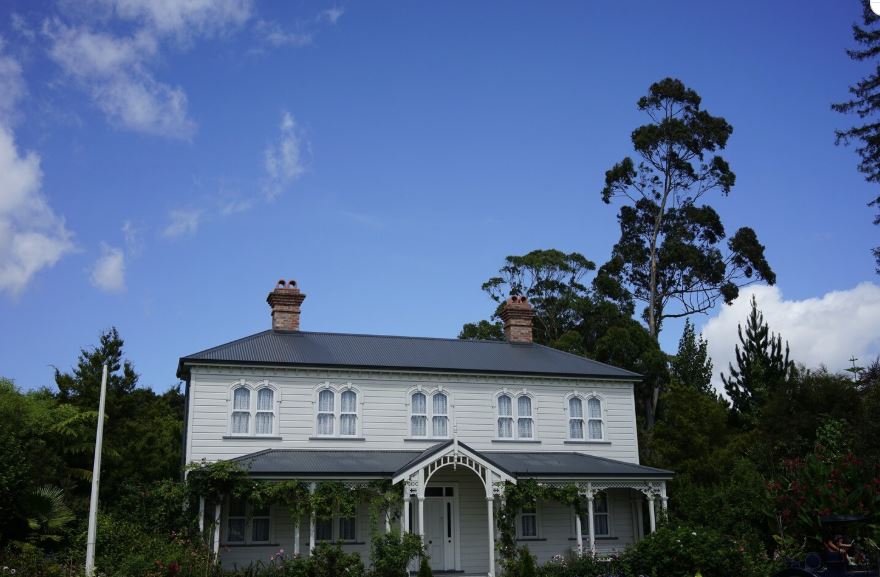
Owning a heritage home comes with a unique responsibility that extends well beyond typical homeownership. These properties carry genuine historical and architectural significance, and preserving that character requires a thoughtful, informed approach that respects the original design while still accommodating the practical needs of modern living.
Getting this balance right is not always straightforward, but understanding the key principles involved makes it considerably easier to maintain a heritage property’s genuine character without compromising on comfort or functionality.
Understanding What Makes a Home’s Character Worth Preserving
Before making any changes to a heritage property, it helps to genuinely understand what specific elements contribute most to its historical and architectural character. This might include original materials, distinctive architectural details, or the particular way the building relates to its surrounding streetscape and neighbourhood context.
Researching the property’s history, and where possible consulting local heritage records or organisations, provides valuable context that informs every subsequent decision about maintenance, restoration, or any necessary modifications going forward.
Working Within Heritage Overlay Requirements
Many heritage properties fall under specific planning overlays that regulate what changes can be made, particularly to visible exterior elements. Understanding these requirements early in any renovation or maintenance planning process prevents costly mistakes and ensures any work undertaken remains fully compliant with relevant local regulations.
Engaging with local council heritage officers early in the planning process, rather than after work has already begun, generally leads to a smoother approval process and often surfaces valuable guidance that genuinely improves the final outcome of any planned work and helps avoid unnecessary delays.
Preserving Original Roofing Wherever Possible
The roof is frequently one of the most visually significant elements of a heritage property, and preserving its original character matters enormously to maintaining overall architectural integrity. Proper heritage roofing work focuses on repairing and maintaining original materials wherever genuinely possible, rather than defaulting to full replacement with modern alternatives.
Where replacement does eventually become necessary, sourcing materials that authentically match the original in both appearance and, ideally, composition helps preserve the property’s character far more effectively than a generic modern substitute ever could.
Balancing Authenticity With Practical Modern Needs
Heritage preservation does not mean living entirely without modern comfort and convenience. The skill lies in finding ways to incorporate necessary modern updates, from insulation to plumbing, in ways that respect and, where possible, remain hidden from the property’s original character and visible architectural features.
Working with professionals genuinely experienced in heritage properties specifically, rather than general contractors unfamiliar with these particular sensitivities, makes a considerable difference to achieving this balance successfully and sustainably.
Planning for Long-Term Preservation
Preserving a heritage home’s character is an ongoing commitment rather than a single project completed once and then forgotten. Regular maintenance, undertaken with the same care and attention as any major restoration work, prevents the gradual deterioration that can eventually necessitate more drastic and less authentic intervention.
Building a relationship with tradespeople and specialists who understand and genuinely respect the property’s heritage significance ensures this ongoing care remains consistent and appropriate, protecting the home’s character for future generations to enjoy as well.
Learning From Other Heritage Homeowners
Connecting with other heritage property owners, whether through local heritage societies or informal community networks, provides valuable practical insight that goes beyond what any single professional or council resource can offer. Others who have navigated similar restoration and maintenance decisions often share hard-won lessons that can save considerable time, expense, and frustration.
These relationships also often lead to recommendations for genuinely experienced, heritage-appropriate tradespeople, which can be considerably harder to find through general searching alone given how specialised this kind of work genuinely is.
Recognising the Long-Term Value of Careful Preservation
Beyond personal enjoyment, thoughtfully preserved heritage properties frequently command strong buyer interest and premium value on the rare occasions they do come to market, reflecting the genuine scarcity and character these homes offer compared to standard modern construction.
This long-term value, combined with the personal satisfaction of maintaining a genuinely significant property, makes the ongoing effort of careful heritage preservation a worthwhile investment on multiple levels, both financial and deeply personal, for the current owner and those who follow.
Preserving the character of a heritage home requires genuine understanding, careful navigation of regulatory requirements, and a thoughtful balance between authenticity and modern practicality. With the right approach and the right specialists involved, it is entirely possible to maintain a property’s historical significance while still making it comfortable for everyday modern living.
For heritage homeowners, this ongoing commitment to preservation is ultimately what protects not just their own property, but a small piece of the broader architectural and cultural history of their community for years to come, ensuring these homes remain treasured for generations still to follow.