
Top 7 Ceiling Panel Styles to Elevate Your Interiors

Have you ever walked into a room and felt something was missing, but couldn’t quite put your finger on it? What if we told you the answer might be right above your head? When was the last time you actually looked up and considered what your ceiling could do for your space?


Most of us spend countless hours choosing the perfect paint colours, flooring, and furniture. Yet the ceiling—often called the “fifth wall”—gets completely overlooked. This is a missed opportunity, especially when you consider how the right ceiling panels can completely transform the look and feel of any room. From creating a cosy, intimate atmosphere to making a bold architectural statement, your ceiling has enormous untapped potential.


In this guide, we’ll explore seven stunning ceiling panel styles that can take your interiors from ordinary to extraordinary. Whether you’re renovating a family home in Sydney, updating a Melbourne apartment, or fitting out a commercial space in Brisbane, you’ll discover options to suit every budget, style, and functional need. We’ll cover everything from budget-friendly PVC panels to luxurious timber finishes, plus practical advice on choosing and installing the perfect panels for your space. Let’s get started!
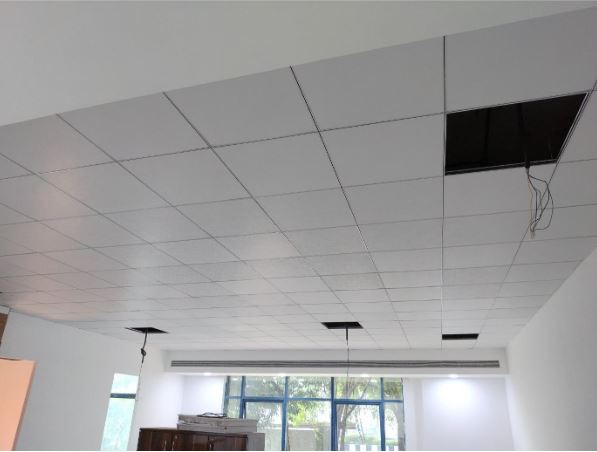
Acoustic Ceiling Panels

Acoustic ceiling panels are specifically designed to absorb sound and reduce noise levels within a room. Made from materials like mineral fibre, fibreglass, or foam, these panels work by trapping sound waves rather than letting them bounce around the space. They’re incredibly effective at minimising echo and creating a more comfortable acoustic environment.


PVC Ceiling Panels

PVC panels have become incredibly popular across Australia, and it’s easy to see why. They’re lightweight, affordable, and available in a huge range of colours and patterns. You can find options that mimic timber, marble, or even decorative plaster at a fraction of the cost.

With proper installation, PVC ceiling panels typically last 15 to 20 years. They’re resistant to moisture, won’t rot or warp, and are incredibly easy to clean—just wipe them down with a damp cloth. This durability makes them excellent value for money.


PVC panels are perfect for wet areas where traditional plaster would struggle. Bathrooms, kitchens, and laundries benefit enormously from their moisture resistance. They won’t grow mould or mildew, making them a hygienic choice for these high-humidity spaces. Installation is straightforward too, which keeps labour costs down.


Timber and Wood-Look Ceiling Panels

Nothing quite matches the warmth and character that timber brings to a space. Whether you opt for natural hardwood or engineered timber panels, wood ceilings create an inviting atmosphere that works beautifully in Australian homes. They complement our love of indoor-outdoor living and natural materials perfectly.


For Australian conditions, hardwoods like spotted gum, blackbutt, and Victorian ash are excellent choices. They’re durable and handle our climate well. Engineered timber panels offer similar aesthetics with better dimensional stability, making them ideal for areas with temperature fluctuations. Cedar is another fantastic option, naturally resistant to insects and decay.


Pair timber ceiling panels with neutral walls and natural textures for a relaxed coastal vibe. In contemporary spaces, opt for sleek, uniform panels in lighter tones. For a more rustic feel, consider reclaimed timber with visible character marks. Timber ceilings work particularly well in living areas, bedrooms, and covered outdoor entertaining spaces.


Metal Ceiling Panels

Metal ceiling panels offer a sleek, modern aesthetic that’s gaining traction in both residential and commercial projects. They’re durable, fire-resistant, and available in various finishes from brushed aluminium to powder-coated colours.


Aluminium is lighter, naturally rust-resistant, and easier to work with, making it the preferred choice for most ceiling applications. Steel is stronger and often more affordable but requires protective coatings to prevent corrosion. For coastal Australian properties, aluminium is definitely the better option due to salt air exposure.


Metal panels suit industrial-style lofts, modern kitchens, and commercial spaces beautifully. They reflect light well, helping to brighten rooms. Maintenance is minimal—occasional dusting keeps them looking sharp. Just keep in mind that metal can amplify sound, so pairing them with soft furnishings or acoustic treatments is a smart move.

Gypsum and Plasterboard Ceiling Panels

Gypsum and plasterboard remain the classic choice for Australian ceilings. They provide that smooth, seamless finish we’re all familiar with and can be painted any colour to match your décor. This versatility makes them enduringly popular.


While it’s technically possible to DIY plasterboard ceilings, it’s challenging work. The sheets are heavy, and achieving a professional finish requires skill in taping and mudding joints. For best results, calling in a professional plasterer is usually worthwhile. However, smaller repairs are definitely manageable for confident DIYers.


Gypsum panels sit in the mid-range for cost. They’re more affordable than timber but pricier than basic PVC. The real expense often lies in installation and finishing labour. When budgeting, factor in painting costs too, as gypsum requires a proper finish to look its best.


Decorative and 3D Ceiling Panels

Want to make a genuine statement? Decorative and 3D ceiling panels add texture, depth, and visual interest that flat ceilings simply can’t match. Available in materials ranging from plaster to lightweight polymers, these panels create stunning focal points.


Not particularly. Most decorative panels just need occasional dusting with a soft brush or vacuum attachment. The grooves and patterns can collect dust over time, but regular light cleaning keeps them looking fantastic. Avoid harsh chemicals that might damage the finish.

Feature walls—or rather, feature ceilings—work brilliantly in entry foyers, dining rooms, and master bedrooms. They’re also stunning in commercial spaces like boutique hotels, restaurants, and retail stores. Use them strategically; covering an entire home in 3D panels would be overwhelming. Sometimes less truly is more.

Suspended and Drop Ceiling Panels

Suspended ceilings consist of a metal grid framework hanging below the structural ceiling, with panels dropping into the grid. This creates a gap between the two surfaces, which offers some clever practical benefits.


Drop ceilings excel at concealing services like ducting, wiring, and plumbing. This makes future maintenance and upgrades much simpler—just lift out a panel and access what you need. They also help with thermal and acoustic insulation, potentially reducing energy bills.


The grid system attaches to the existing ceiling or structural elements using wires or rods. 

Panels then rest in the framework, held in place by gravity. Installation is relatively straightforward, and individual panels can be replaced easily if damaged. Modern suspended ceiling systems look far more refined than the dated office ceilings of the past.


How to Choose the Right Ceiling Panels for Your Space

Selecting ceiling panels involves balancing several factors: your budget, the room’s purpose, and your overall design vision. Consider moisture levels, acoustic requirements, and how much maintenance you’re willing to do. A bathroom needs different panels than a formal lounge room.


PVC panels typically offer the best value, with materials and installation coming in at the lower end of the scale. Basic plasterboard is also affordable, though finishing costs add up. For tight budgets, PVC in wet areas and plasterboard elsewhere often makes the most financial sense.

Your ceiling should complement, not compete with, your overall design scheme. Minimalist interiors suit smooth, clean finishes. Traditional homes might call for decorative pressed metal or detailed plasterwork. Contemporary spaces can handle bolder choices like timber or industrial metal.


Ceiling Panel Installation: DIY or Professional?

For plasterboard, large-scale projects, or anything involving electrical work, professional installation is strongly recommended. Complex designs, high ceilings, and structural considerations also warrant expert help. A poor installation can lead to sagging, cracking, and costly repairs down the track.


Costs vary significantly depending on material and complexity. Expect to pay anywhere from per square metre installed, depending on your choices. Get multiple quotes and check references before committing. Remember, quality installation protects your investment.


Final Thoughts on Elevating Your Interiors with Ceiling Panels


Your ceiling doesn’t have to be an afterthought. From sound-absorbing acoustic panels to stunning decorative designs, there’s a ceiling solution for every space, style, and budget. The seven options we’ve explored offer something for everyone, whether you’re after practicality, aesthetics, or both.


Take the time to consider what you truly need from your ceiling. Think about the room’s function, your design preferences, and your budget. Don’t be afraid to mix different panel types throughout your home—PVC in the bathroom, timber in the living area, and perhaps something decorative in the entrance.


Whatever you choose, upgrading your ceiling can genuinely transform your interiors. It’s one of those changes that makes people notice something different without necessarily realising what’s changed. So go on, look up—your ceiling is waiting to impress!


5 Tips for Choosing the Right Divorce Lawyer

Ever found yourself lying awake at night, wondering how you’ll navigate one of life’s most challenging transitions? Are you feeling overwhelmed by the sheer number of legal professionals out there, each promising to be your best advocate? Perhaps you’re asking yourself: where do I even begin when it comes to finding someone who truly understands my situation?


Choosing the right divorce lawyer isn’t just about picking a name from a directory. It’s about finding someone who’ll stand by your side during what might be one of the most emotionally and financially significant periods of your life. The lawyer you select can make the difference between a smooth, respectful process and a drawn-out, stressful ordeal that leaves everyone worse off.


In this guide, we’ll walk you through five essential tips to help you find the perfect divorce lawyer for your unique circumstances. From understanding your specific needs to researching reputations and reviews, we’ve got you covered. By the end, you’ll feel confident and equipped to make an informed decision that protects your interests and sets you up for a fresh start.

Understand Your Specific Divorce Needs

Before you start searching for legal representation, take a moment to assess your situation. Not all divorces are created equal, and understanding what you’re dealing with will help you find the right fit.


Contested vs. Uncontested Divorce: Which Applies to You?

An uncontested divorce is where both parties agree on major issues like property division, custody arrangements, and financial matters. These tend to be quicker, less expensive, and far less stressful. On the other hand, a contested divorce involves disagreements that require negotiation or court intervention.


Knowing which category you fall into helps narrow your search. If your separation is amicable, you might not need the most aggressive litigator in town. However, if you’re anticipating conflict, you’ll want someone with strong courtroom experience.


Do You Need a Specialist Family Lawyer?

Family law covers a broad range of issues, from adoption to domestic violence protection orders. A specialist family lawyer focuses specifically on matters like divorce, child custody, and property settlements under Australian Family Law.


If children or complex assets are involved, a specialist becomes even more important. They’ll understand the nuances of the Family Law Act and can navigate tricky situations involving business valuations, superannuation splits, or international custody disputes. Don’t be afraid to ask about their specific experience with cases similar to yours.


Check Qualifications and Experience


Once you’ve identified your needs, it’s time to verify that potential lawyers have the credentials to back up their claims.


How Do I Know If a Divorce Lawyer Is Qualified?

In Australia, all practising lawyers must hold a current practising certificate. You can verify this through your state’s legal services board or law society. Look for lawyers who are members of the Law Council of Australia or hold accreditation as family law specialists.


These credentials matter because they demonstrate ongoing professional development and adherence to ethical standards. A qualified lawyer stays current with legislative changes that could affect your case.


Why Local Experience in Australian Family Law Matters

Family law in Australia operates under federal legislation, but state-based procedures can vary. A lawyer familiar with your local Family Court or Federal Circuit Court will understand specific judges’ preferences and local procedural requirements.


Ask potential lawyers about their track record. How many divorces have they handled? What percentage of their practice focuses on family law? Questions like these reveal whether they have the hands-on experience needed to guide you effectively through the process.


Evaluate Communication and Compatibility

Your divorce lawyer will be your partner through this journey, so finding someone you actually connect with is crucial.


What Should I Look for in My First Consultation?

Most divorce lawyers offer an initial consultation, often at a reduced fee or even free. Use this opportunity to gauge their communication style. Do they explain legal concepts in plain language? Are they listening to your concerns, or just rushing through to the next client?


Pay attention to how they make you feel. You should leave feeling heard and understood, not confused or dismissed. Trust your instincts here—if something feels off, it probably is.


How Often Should a Divorce Lawyer Update You?

Clear expectations around communication frequency prevent frustration down the track. Ask how often you’ll receive updates and through what channels. Will you primarily communicate via email, phone, or through their office staff?


Red flags include lawyers who are consistently unavailable, take days to return calls, or delegate all communication to junior staff without explanation. Your case matters, and your lawyer should treat it that way.


Understand Costs and Fee Structures

Let’s face it—divorce can be expensive. Understanding the financial side upfront prevents nasty surprises later.


How Much Does a Divorce Lawyer Cost in Australia?

Costs vary significantly depending on your location, the complexity of your case, and your lawyer’s experience level. In Australia, hourly rates typically range from or more for senior practitioners. A straightforward, uncontested divorce might cost between, while contested matters can run into tens of thousands.


Fixed Fees vs. Hourly Rates: Which Is Better?

Some lawyers offer fixed fees for specific services, like preparing divorce applications. This approach provides certainty but may not cover unexpected complications. Hourly billing offers flexibility but can quickly escalate if negotiations become protracted.


Watch out for hidden costs like photocopying charges, administrative fees, or courier expenses. Request a detailed cost agreement in writing before you commit, and don’t hesitate to ask for estimates at each stage of proceedings.


Can I Get Legal Aid for Divorce?

If you’re facing financial hardship, legal aid may be available depending on your circumstances and location. Contact your state’s Legal Aid Commission to discuss eligibility. Community legal centres also provide free advice and may assist with simpler matters.


Research Reputation and Reviews

In today’s connected world, researching a lawyer’s reputation has never been easier—or more important.


How to Find Honest Reviews of Divorce Lawyers

Start with Google reviews and legal directories like the Law Society’s find-a-lawyer service. Look for patterns in feedback rather than focusing on individual reviews. Consistently positive comments about communication, professionalism, and outcomes are good signs.


Be cautious of reviews that seem overly generic or suspiciously glowing—they might not be genuine. Equally, one negative review among many positive ones shouldn’t necessarily disqualify someone.


What Questions Should I Ask Past Clients?

If possible, ask the lawyer for references from past clients willing to share their experiences. Questions worth asking include: Were you kept informed throughout the process? Did the final outcome align with initial expectations? Would you use this lawyer again?


Professional memberships and accreditations also matter. Look for lawyers who belong to the Family Law Section of the Law Council of Australia or hold specialist accreditation. These demonstrate commitment to the field and ongoing professional standards.


Frequently Asked Questions


How Long Does a Divorce Take in Australia?

The minimum timeframe is twelve months and one day of separation before you can apply for divorce. Once filed, the application typically takes around four months to finalise if uncontested. Contested matters involving property or children can take considerably longer.


Can I Change My Divorce Lawyer If I’m Unhappy?

Absolutely. You’re entitled to change lawyers at any stage if you’re dissatisfied with their service. Request your file and any documents, settle outstanding fees, and engage new representation. Your new lawyer will handle the transition.


What’s the Difference Between a Divorce Lawyer and a Family Lawyer?

A divorce lawyer specifically handles the legal dissolution of marriage, while a family lawyer covers broader matters including custody, property settlements, and domestic violence orders. Many practitioners handle both, but it’s worth clarifying their specific expertise.


Do Both Parties Need a Lawyer for Divorce?

While not legally required, having independent legal advice protects both parties’ interests. If only one party has representation, the unrepresented person may agree to unfair terms. At minimum, seek independent legal advice before signing any agreements.


Taking the Next Step With Confidence

Choosing the right divorce lawyer might feel daunting, but you’re now equipped with the knowledge to make an informed decision. Remember to assess your specific needs first, verify qualifications and experience, prioritise communication and compatibility, understand the costs involved, and thoroughly research reputations and reviews.


The right lawyer won’t just handle paperwork—they’ll provide guidance, support, and advocacy when you need it most. They’ll explain your options clearly, manage your expectations realistically, and fight for outcomes that protect your interests and those of your children.


Take your time with this decision. Schedule consultations with several lawyers before committing. Ask questions, trust your instincts, and remember that this choice is ultimately about setting yourself up for the next chapter of your life. You’ve got this, and the right legal support will make all the difference in helping you move forward with confidence and peace of mind.