
 Posted by
  January 21, 2026
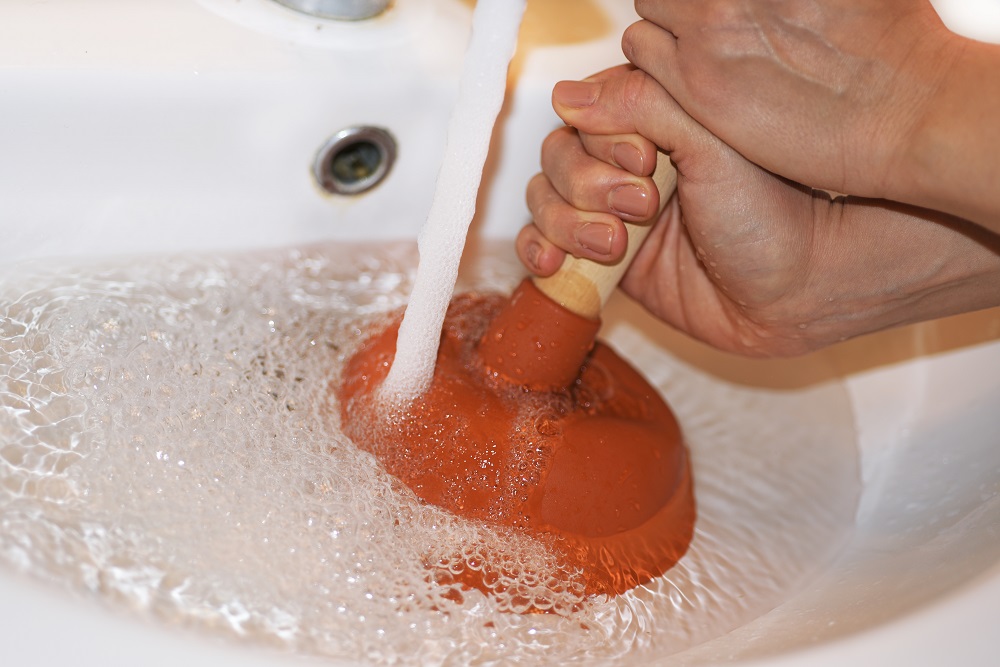
Have you ever stood in ankle-deep water while showering because your drain simply won’t cooperate? Or perhaps you’ve noticed that gurgling sound coming from your kitchen sink that makes you wince every time you run the tap? If you’re a North Shore homeowner, chances are you’ve experienced the frustration of a blocked drain at some point.
Blocked drains are one of those household headaches that seem to strike at the worst possible moments. They’re messy, inconvenient, and can quickly escalate from a minor annoyance to a major (and expensive) plumbing emergency. The good news? Most blockages are entirely preventable with a bit of know-how and some simple daily habits.
In this guide, we’ll walk you through the top five ways to keep your drains flowing freely. You’ll learn what causes blockages in the first place, discover practical prevention strategies, and find out when it’s time to call in the professionals. Whether you’re dealing with kitchen sink troubles, bathroom drain issues, or outdoor drainage concerns, we’ve got you covered. Let’s get stuck into it!
What Causes Blocked Drains in Australian Homes?
Common Culprits: Hair, Grease, and Foreign Objects
Understanding what causes blockages is half the battle when it comes to prevention. The usual suspects include hair, cooking grease, soap scum, food scraps, and foreign objects that have no business being down your drain. Hair is particularly problematic in bathroom blocked drains leichhardt, where it combines with soap residue to form stubborn clogs.
In the kitchen, grease and oil are your pipes’ worst enemies. When hot cooking oil goes down the drain, it might seem harmless enough. However, once it cools, it solidifies and sticks to pipe walls, gradually narrowing the passage until water can barely squeeze through.
Seasonal Factors and Tree Roots
North Shore properties face some unique challenges. During autumn, fallen leaves can clog outdoor drains and gutters, leading to water backup. Summer storms bring debris that overwhelms drainage systems. Plus, the area’s established trees—while beautiful—can wreak havoc on underground pipes.
Tree roots naturally seek out moisture and nutrients, making your sewer pipes an irresistible target. They infiltrate through tiny cracks and joints, growing larger over time until they completely obstruct the pipe. Older North Shore homes with clay or concrete pipes are especially vulnerable to root intrusion.
Tip 1: Mind What Goes Down Your Kitchen Sink
Foods and Substances to Never Pour Down the Drain
Your kitchen sink isn’t a rubbish bin, yet many of us treat it like one. Coffee grounds, rice, pasta, and fibrous vegetables like celery should never go down the drain. These items don’t break down easily and accumulate in your pipes, creating stubborn blockages over time.
Cooking oil and grease deserve special mention here. When you pour hot oil down the sink, you’re essentially coating your pipes with a sticky layer that traps everything else that follows. Over time, this builds up into what plumbers call “fatbergs”—disgusting masses of solidified fat that completely block pipes.
Simple Habits to Protect Your Kitchen Plumbing
Instead of pouring grease down the drain, let it cool and scrape it into the bin. Better yet, keep an old jar or container specifically for collecting cooking oil. For liquid fats like bacon grease, pour it into a heat-safe container, let it solidify, then toss it in the rubbish.
Make a habit of scraping plates thoroughly before washing them. Even small food particles add up over time. Running cold water while using the garbage disposal helps solidify any fats so they can be chopped up rather than coating your pipes.
Tip 2: Install and Maintain Drain Guards
What Are Drain Guards and How Do They Work?
Drain guards are simple mesh or perforated covers that sit over your drain openings. They catch hair, food scraps, and other debris before it enters your pipes. Think of them as a first line of defence against blockages—inexpensive, easy to install, and remarkably effective.
Different types suit different applications. Fine mesh guards work brilliantly in shower drains where hair is the main concern. Kitchen sink guards typically have larger holes to allow water flow while catching food particles. Some even come with silicone edges that create a seal, preventing anything from slipping past.
Cleaning and Maintenance Tips
The key to drain guard effectiveness is regular cleaning. There’s no point having one if you let debris accumulate until water pools around it. For bathroom blocked drains, remove and clean the guard weekly—or more often if you have long hair or multiple household members sharing the bathroom.
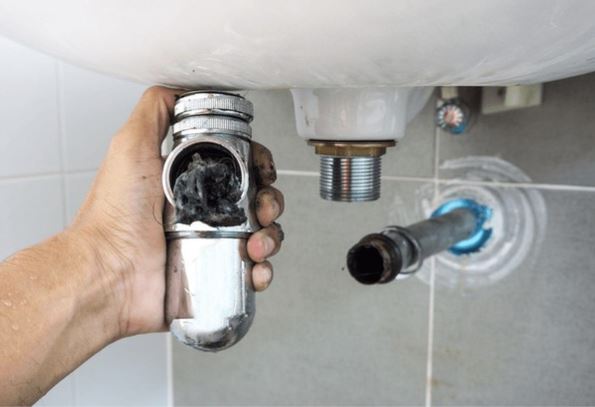
Kitchen drain guards need attention after each major cooking session. Simply lift out the guard, dispose of the collected debris in the bin, and rinse it clean. It takes just seconds but saves you from dealing with a blocked drain down the track.
Tip 3: Regular Hot Water Flushing and Natural Cleaning Methods
Can Boiling Water Really Prevent Blocked Drains?
Yes, it genuinely can! Regularly flushing your drains with hot water helps dissolve and wash away soap residue, light grease deposits, and other buildup before it becomes problematic. Once a week, pour a kettle of boiling water slowly down your kitchen and bathroom drains.
This simple habit keeps things moving through your pipes. The hot water melts accumulated fats and oils, allowing them to flow through the system rather than sticking to pipe walls. It’s particularly effective as a maintenance measure, though it won’t clear existing blockages.
DIY Cleaning with Bicarb Soda and Vinegar
For a more thorough monthly clean, try the classic bicarb soda and vinegar combination. Pour half a cup of bicarb soda down the drain, followed by half a cup of white vinegar. You’ll hear fizzing—that’s the chemical reaction breaking down organic matter and deodorising your pipes.
Let the mixture work for fifteen to thirty minutes, then flush with hot water. This natural approach is gentler on your pipes than commercial chemical cleaners, which can damage older plumbing systems. Plus, it’s environmentally friendly and uses ingredients you probably already have in your pantry.
Tip 4: Be Smart About Bathroom Drain Care
What Should You Never Flush Down the Toilet?
The only things that belong in your toilet are human waste and toilet paper. That’s it. Despite what packaging might claim, “flushable” wipes don’t break down like toilet paper and are responsible for countless blockages across Australia.
Cotton buds, sanitary products, dental floss, and medications should all go in the bin. These items don’t dissolve and can catch on pipe irregularities, creating blockage points where other debris accumulates. Teaching everyone in your household these rules prevents costly plumbing emergencies.
Preventing Hair Build-Up
Hair is the number one cause of shower and basin drain blockages. Beyond installing drain guards, consider brushing your hair before showering to remove loose strands. After each shower, take a moment to remove any visible hair from the drain cover.
Long-handled drain cleaning tools—sometimes called drain snakes or hair catchers—can help remove hair that’s made it past your guard. Use one monthly as a preventive measure. It’s far easier to pull out a small hair clump than to deal with a fully blocked drain.
Tip 5: Schedule Professional Drain Inspections
Why Annual Plumbing Check-Ups Save You Money
Prevention is always cheaper than cure when it comes to plumbing. An annual professional inspection can identify potential problems before they become emergencies. Plumbers use camera technology to examine inside your pipes, spotting tree root intrusion, cracks, or buildup that you’d never know about otherwise.
Think of it like a health check-up for your home. Catching issues early means simpler, less expensive repairs. A small root intrusion spotted during an inspection might cost a few hundred dollars to address. Left unchecked, it could result in a completely collapsed pipe requiring excavation and thousands in repairs.
Signs You Need Professional Help Immediately
Some warning signs demand urgent attention. Multiple slow drains throughout your home suggest a main sewer line issue. Sewage smells, water backing up in unexpected places, or patches of unusually green grass in your yard all indicate serious problems requiring immediate professional intervention.
Don’t wait until you’re dealing with sewage backing up into your bathroom. If you notice gurgling sounds from blocked drains, persistent slow drainage despite DIY cleaning efforts, or water pooling around floor drains, call a blocked drain specialist promptly.
How Do You Know If Your Drains Are About to Block?
Early warning signs give you a chance to act before complete blockage occurs. Slow drainage is the most obvious indicator—if water takes longer than usual to disappear, something’s building up in your pipes. Gurgling sounds after flushing or draining water suggest air is trapped by a partial blockage.
Unpleasant odours emanating from drains indicate decomposing debris caught in your pipes. If you notice a sewage smell or general mustiness around your bathroom or kitchen drains, it’s time to investigate. These early signs give you the opportunity to try DIY cleaning methods or call a plumber before things worsen.
Protecting Your North Shore Home from Costly Drain Repairs
Keeping your drains clear doesn’t require special skills or expensive equipment. It’s about building good habits and being mindful of what enters your plumbing system. By following the five tips we’ve covered—watching what goes down your kitchen sink, using drain guards, regular hot water flushing, smart bathroom drain care, and scheduling professional inspections—you’ll dramatically reduce your risk of blockages.
Your drain maintenance checklist is straightforward: weekly hot water flushes, monthly bicarb and vinegar treatments, clean drain guards regularly, and book an annual professional inspection. Teach everyone in your household these simple practices, and your drains will thank you.
Taking action now saves you money, stress, and the unpleasantness of dealing with blocked drains later. Your North Shore home deserves proper care, and your plumbing system is no exception. Start implementing these tips today, and you’ll enjoy free-flowing drains for years to come.