 Posted by
  April 21, 2026
Twelve-year-old Baylor from North Carolina is just like many kids today, in that there’s often a gap between what they learn at school and what they actually need to know. But the right books can help fill this gap, and that’s what Baylor quickly learned from reading the Tuttle Twins series!
“The Tuttle Twins gave me the knowledge of how things work in some aspects of reality such as inflation,” Baylor said. “… Wasn’t one of the reasons we fought to gain freedom from England because of taxes? The Tuttle Twins have inspired me to be active in the community when I get a little older.”
Here’s how you can encourage your kids to work toward a better society tomorrow — just like Baylor!
Addressing the educational gap
Kids like Baylor know there’s a gap in their education. They’re hungry to learn about money, and if they’re less enthusiastic about government-related topics, you can encourage excitement in this area. Parents also recognize the gap.
In fact, financial literacy is the number one subject parents want their kids to learn more about at school, with 59% of parents wanting schools to focus more on these topics. Critical thinking is up there too, as 56% of parents see this as lacking in their kids’ education.
Books That Teach Kids About Inflation
One of the best ways to bridge the educational gap is through books that can trigger thoughtful conversations with your kids. The Tuttle Twins series contains several books that teach kids about inflation, central banking, and other money-related topics.
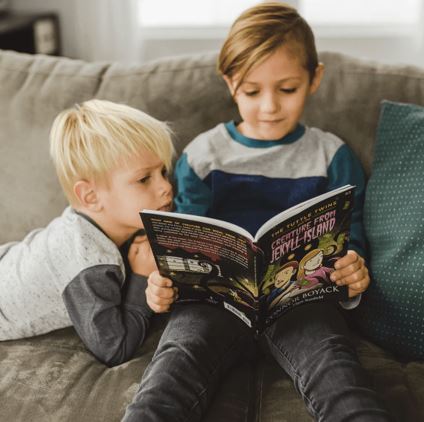
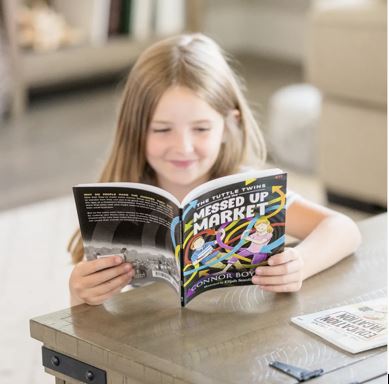
For example, The Tuttle Twins and the Creature from Jekyll Island talks about the Federal Reserve and how monetary manipulation has a serious impact on ordinary people. The Tuttle Twins and the Messed-Up Market covers financial decisions, risks, and the way the government’s moves can affect the whole market.
To use Tuttle Twins books that teach kids about inflation and other money-related topics to get your kids fired up about financial literacy, ask open-ended questions about the story and relate them to money. For example:
- How do your attitudes about money differ from those of your parents?
- What could central bankers have done differently to avoid such high inflation?
- How do self-interest and competition act as a sort of invisible hand to regulate the market?
- What do you think should be the ideal level of government intervention in the market?
- What’s the relationship between economic and political freedom?
Creating Everlasting Moments
Open-ended questions like these are perfect to trigger discussions around the dinner table, creating special moments your kids will remember forever. The Tuttle Twins series and other books that teach kids about inflation and money will help you establish good habits like healthy discussions about the topics that matter most for your kids’ future — and that will encourage them to get involved from an early age and work toward a better future.
April is financial literacy month, so this is a great time to start filling in that gap in your kids’ education and teaching them about money!