
 Posted by
  January 15, 2026
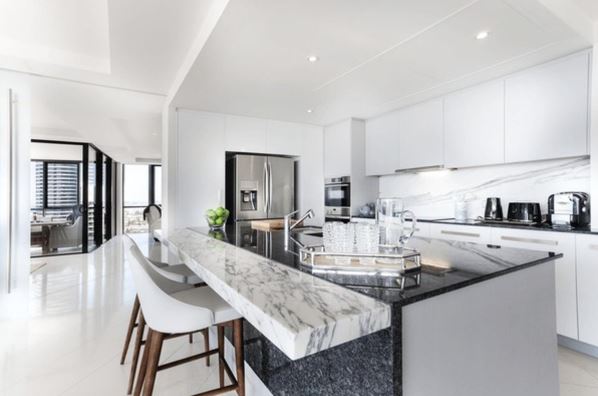
Have you been dreaming about transforming your kitchen into a stunning culinary haven? Are you wondering what material will give you that perfect blend of durability and drop-dead gorgeous looks? Perhaps you’re curious about whether granite benchtops are worth the investment for your Sydney home?
You’re definitely in the right place. Granite benchtops have been a favourite among Australian homeowners for decades, and for good reason. This natural stone brings an unmatched elegance to any kitchen while standing up to the demands of busy family life. Whether you’re planning a complete kitchen renovation or simply upgrading your benchtops, granite offers incredible versatility that works with virtually any design style.
In this guide, we’ll explore everything you need to know about designing kitchens with granite benchtops. From selecting the perfect colour and pattern to understanding installation requirements, we’ve got you covered. Plus, we’ll share insider tips on creating visual flow, avoiding common mistakes, and keeping your granite looking pristine for years to come. Let’s get stuck into it!
Why Choose Granite Benchtops for Your Sydney Kitchen?
Durability and Longevity Benefits
When it comes to kitchen surfaces, granite is genuinely tough as nails. This natural stone handles heat like a champion, meaning you can place hot pots directly on the surface without worry. It’s also incredibly resistant to scratches, which is brilliant news for anyone who does a lot of food prep.
Granite’s density makes it naturally resistant to bacteria and stains when properly sealed. This hygienic quality is particularly important in kitchens where food safety matters. Unlike some synthetic materials, granite won’t warp, crack, or discolour from everyday use.
What’s more, granite benchtops can genuinely last a lifetime with proper care. Many Sydney homes still feature granite installed decades ago, looking just as stunning as the day it went in.
Aesthetic Versatility and Natural Beauty
Every granite slab is completely unique, like a fingerprint from nature. The swirls, veins, and colour variations mean your kitchen will have a one-of-a-kind look that simply can’t be replicated. From dramatic blacks with gold flecks to subtle creams with gentle movement, there’s a granite for every taste.
This natural beauty brings warmth and character that synthetic materials struggle to match. Granite works beautifully in both traditional and contemporary kitchens, making it a versatile choice regardless of your design preferences.
How Much Do Granite Benchtops Cost in Sydney?
Pricing varies considerably depending on the granite variety, slab thickness, and complexity of your installation. Generally, you can expect to pay between per square metre installed in Sydney. Exotic or rare granite colours sit at the higher end, while more common varieties offer excellent value.
Remember to factor in templating, fabrication, and installation costs. Getting quotes from multiple suppliers gives you a clearer picture of what to budget.
Selecting the Perfect Granite for Your Kitchen Design
Popular Granite Colours and Patterns in Australia
Australian homeowners tend to gravitate towards several classic granite options. Black Galaxy, with its stunning gold and silver flecks, remains a perennial favourite for modern kitchens. Kashmir White offers a softer look with grey and burgundy veining that complements lighter cabinetry.
Colonial Gold brings warm amber and brown tones perfect for traditional spaces. Steel Grey delivers a sophisticated, understated elegance that works wonderfully in minimalist designs. Emerald Pearl features beautiful green and blue iridescence that makes a bold statement.
Is Granite Better Than Quartz for Kitchen Benchtops?
This question comes up constantly, and honestly, both materials have their merits. Granite offers natural uniqueness and superior heat resistance. Each slab tells its own geological story spanning millions of years.
Quartz provides more consistent colouring and requires less maintenance. However, it can’t handle heat as well and lacks the distinctive character of natural stone. Your choice ultimately depends on whether you prioritise natural beauty or uniform appearance.
Matching Granite to Your Cabinetry and Flooring
Creating harmony between your granite, cabinetry, and flooring is essential for a cohesive design. Dark granite pairs magnificently with white or light timber cabinetry, creating striking contrast. Lighter granites work beautifully with darker cabinets or can create a seamless, airy feel with matching light tones.
Consider bringing home granite samples to view alongside your existing finishes. Natural light dramatically affects how granite appears, so check samples at different times of day.
Advanced Design Tips for Granite Benchtop Kitchens
Creating Visual Flow with Edge Profiles
Edge profiles might seem like a small detail, but they significantly impact your kitchen’s overall aesthetic. Bullnose edges create soft, rounded profiles perfect for family kitchens. Bevelled edges add contemporary sophistication. Ogee profiles bring ornate elegance suited to traditional designs.
Your edge profile should complement your cabinetry style. Sleek, modern cabinets call for simpler edges, while detailed cabinetry can handle more elaborate profiles.
Incorporating Waterfall Edges and Island Features
Waterfall edges—where the granite flows down the sides of an island or peninsula—create absolutely stunning focal points. This technique showcases the stone’s natural beauty while adding architectural interest.
For kitchen islands, consider using a feature granite that differs subtly from your main benchtops. This creates visual separation whilst maintaining design cohesion.
Balancing Light and Dark Granite in Open-Plan Spaces
Open-plan living areas require careful consideration of how your granite interacts with adjoining spaces. Dark granite in a small kitchen can feel heavy, while light granite might lack impact in a large, open area.
Consider the natural light your space receives. North-facing kitchens handle darker granites beautifully, whilst south-facing spaces often benefit from lighter tones.
What Thickness Should Granite Benchtops Be?
Standard granite thickness in Australia is typically 20mm or 30mm. Thicker slabs create a more substantial, luxurious appearance but come at increased cost. For most residential applications, 20mm provides excellent durability and visual appeal.
Island benchtops often look more impressive with 30mm or even 40mm thickness, particularly when featuring waterfall edges.
Practical Considerations for Granite Benchtop Installation
How Do You Measure for Granite Benchtops?
Professional templating is absolutely essential for granite installation. Fabricators use precise digital measuring equipment to create exact templates of your benchtop areas. This process typically happens after your cabinetry is installed and level.
Don’t attempt DIY measurements for granite. The material’s cost and weight make professional templating a worthwhile investment that prevents costly errors.
Working with Sydney Granite Suppliers and Fabricators
Choosing the right supplier makes an enormous difference to your final result. Look for fabricators with solid reputations, extensive portfolios, and proper workshop facilities. Visit their yard to hand-select your actual slabs rather than choosing from small samples alone.
Ask about their installation process, warranties, and how they handle any issues that might arise. A reputable fabricator stands behind their work.
Structural Requirements and Support Considerations
Granite is heavy—roughly 18-20kg per square metre for 20mm thickness. Your cabinetry must adequately support this weight, particularly around sink cutouts and overhangs.
Overhangs exceeding 300mm typically require additional support through brackets or corbels. Your fabricator will advise on specific requirements for your design.
Caring for Your Granite Benchtops
Do Granite Benchtops Need to Be Sealed?
Yes, granite requires sealing to maintain its stain resistance. Most granites need resealing every one to two years, though some denser varieties require less frequent treatment. A simple water test—seeing how quickly droplets absorb—indicates when resealing is needed.
Quality sealers penetrate the stone without changing its appearance. Your fabricator will typically seal your benchtops before installation.
Daily Cleaning and Maintenance Best Practices
Daily care is straightforward. Wipe spills promptly, clean with pH-neutral cleaners, and avoid acidic products like vinegar or lemon juice. A soft cloth and warm, soapy water handle most cleaning needs perfectly.
Avoid placing extremely cold items directly on granite, as thermal shock can occasionally cause issues. Use trivets for very hot cookware as an extra precaution.
How Long Do Granite Benchtops Last?
With proper care, granite benchtops genuinely last forever. This isn’t marketing speak—granite is millions of years old and incredibly stable. Your benchtops will likely outlast everything else in your kitchen.
Common Mistakes to Avoid When Designing with Granite
Rushing the selection process tops the list. Take time viewing full slabs rather than relying solely on samples. Ignoring vein direction creates disjointed appearances across seams. Choosing trendy colours over timeless options might date your kitchen prematurely.
Skimping on fabrication quality leads to poor fits and visible seams. Always prioritise experienced fabricators, even if costs are slightly higher. Finally, forgetting to plan sink and cooktop cutouts early can limit your granite options.
Bringing Your Dream Granite Kitchen to Life
Designing a kitchen with granite benchtops is genuinely exciting. You’re choosing a material that’s been treasured for centuries, one that brings natural beauty and incredible practicality to the heart of your home.
Throughout this guide, we’ve explored everything from selecting the perfect granite colour to understanding installation requirements and maintenance needs. The key takeaways? Invest time in viewing full slabs, work with reputable Sydney fabricators, and don’t underestimate the importance of edge profiles and proper support.
Your granite kitchen awaits, and with these advanced tips, you’re brilliantly equipped to make decisions that’ll bring you joy for decades. Take your time, trust your instincts, and enjoy the process of creating something truly special. Here’s to cooking up memories in your stunning new space!