
 Posted by
  January 15, 2026
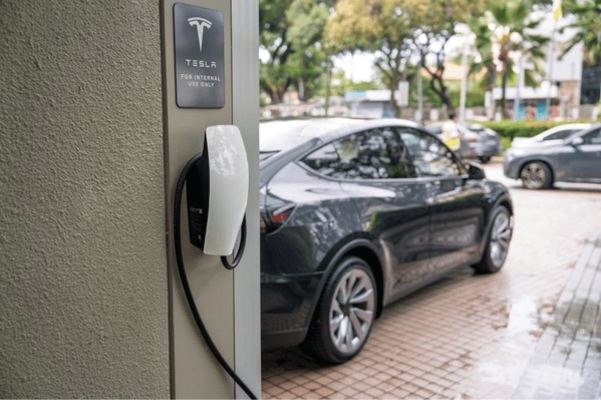
Ever wondered why some Tesla owners breeze through their home charging setup while others face months of headaches and unexpected bills? Have you considered what could go wrong when installing an EV charger at your home? And more importantly, do you know which mistakes could void your warranty or even put your family at risk?
Getting your Tesla charger installed properly isn’t just about convenience—it’s about safety, efficiency, and protecting your investment. A poorly planned installation can lead to electrical fires, damaged equipment, and costly repairs down the track. In Australia, where we’re seeing a massive surge in electric vehicle adoption, many homeowners are rushing into installations without fully understanding what’s involved.
In this guide, we’ll walk you through the most common pitfalls that catch Tesla owners off guard. From choosing the wrong charger type to hiring dodgy installers, we’ll cover everything you need to know to get it right the first time. You’ll learn about electrical requirements, location planning, permit considerations, and how to future-proof your setup. Let’s get stuck into it.
Choosing the Wrong Charger for Your Needs
Understanding the Difference Between Tesla Wall Connector and Mobile Connector
One of the first mistakes people make is not understanding their charging options. The Tesla Wall Connector is a permanent home installation that delivers faster charging speeds—up to 11.5kW in Australian homes. The Mobile Connector, on the other hand, is portable and plugs into standard power outlets but charges much slower.
Many owners assume the Mobile Connector will be sufficient, only to realise they’re waiting hours longer than necessary. If you’re driving more than 50 kilometres daily, a Wall Connector makes life significantly easier.
How Do I Know What Size Charger I Need for My Tesla?
Your daily driving habits should guide this decision. Calculate your average weekly kilometres and consider how quickly you need to top up your battery. A Wall Connector on a three-phase supply can add around 70 kilometres of range per hour—perfect for busy households.
Don’t forget to factor in future needs. Will your teenager start driving soon? Might you switch to a longer commute? Thinking ahead saves you from costly upgrades later.
Electrical System Mistakes
Can My Home Handle a Tesla Charger?
Here’s where things get technical—and where many homeowners stumble. Not every home can support a Tesla charger without upgrades. Older Australian homes, particularly those built before the 1990s, often have outdated electrical systems that simply can’t handle the additional load.
Underestimating Your Electrical Panel Capacity
Your switchboard is the heart of your home’s electrical system. A Tesla Wall Connector typically requires a dedicated circuit with appropriate amperage. If your switchboard is already near capacity with air conditioning, pool pumps, and other high-draw appliances, you’ll need an upgrade.
This isn’t something to guess at. A qualified electrician must assess your current capacity and determine whether your system can cope. Ignoring this step could result in tripped breakers, damaged appliances, or worse—electrical fires.
Why Upgrading Your Switchboard Might Be Necessary
Many Australian homes still have old ceramic fuse boxes or switchboards without safety switches. These won’t meet current regulations for EV charger installation melbourne. Upgrading to a modern switchboard with proper circuit breakers and safety switches is often mandatory—and it’s a worthwhile investment for overall home safety.
Poor Location Planning
Where Is the Best Place to Install a Tesla Charger?
Location matters more than you might think. The ideal spot is close to where you park your Tesla, with easy cable access and adequate ventilation. Many people install their charger in the garage, which offers weather protection and security.
Indoor vs Outdoor Installation Considerations
If indoor installation isn’t possible, outdoor mounting requires additional planning. You’ll need a weatherproof enclosure rated for Australian conditions. Consider sun exposure too—extreme heat can affect charging efficiency and equipment longevity.
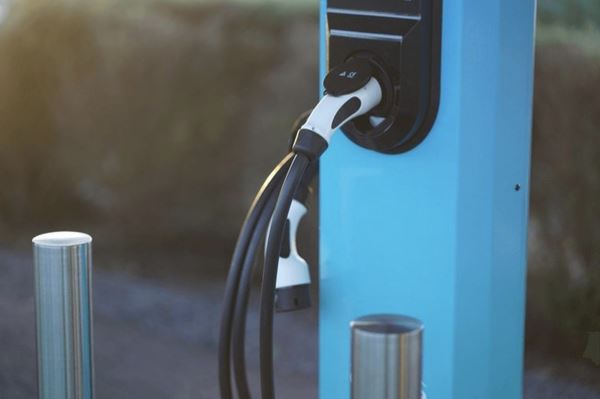
Cable length is another consideration often overlooked. Running cables across driveways or through walls adds complexity and cost. Plus, longer cable runs can result in voltage drop, reducing charging efficiency. Plan the shortest, most practical route from your switchboard to your charging location.
Weather Protection for Australian Conditions
Australia’s harsh climate—from Queensland’s humidity to Melbourne’s wild temperature swings—demands robust equipment. Make sure any outdoor installation includes appropriate IP ratings for water and dust resistance. Cutting corners here leads to premature equipment failure.
DIY Installation Dangers
Can I Install a Tesla Charger Myself?
Let’s be crystal clear: no, you cannot legally install a Tesla charger yourself in Australia. All electrical work must be completed by a licensed electrician. This isn’t just bureaucratic red tape—it’s about safety.
Why You Must Use a Licensed Electrician
Electrical work done by unlicensed individuals is illegal and incredibly dangerous. Beyond the immediate risk of electrocution, improper installations can cause fires that may not manifest for months or even years. Your home insurance likely won’t cover damage from unlicensed electrical work either.
What’s more, DIY installation voids your Tesla charger warranty. Any issues that arise—even manufacturing defects—won’t be covered if Tesla determines the installation wasn’t performed by a qualified professional. It’s simply not worth the risk to save a few dollars.
Skipping the Site Assessment
What Does a Pre-Installation Assessment Include?
A proper site assessment examines your electrical system capacity, determines the optimal charger location, identifies any necessary upgrades, and provides an accurate quote. Skipping this step is like building a house without checking the soil—you’re setting yourself up for problems.
Hidden Costs That Catch Homeowners Off Guard
Without a thorough assessment, you might face surprise costs mid-installation. Common unexpected expenses include switchboard upgrades, trenching for underground cables, additional circuit breakers, and council permit fees. A reputable installer will identify these upfront.
Ask your installer these questions before work begins:
– What’s included in the quoted price?
– Are there potential additional costs?
– How long will the installation take?
– What warranty do you provide on workmanship?
Neglecting Future-Proofing
Planning for a Second Electric Vehicle
Electric vehicle adoption is accelerating rapidly. If there’s any chance your household might add a second EV in the coming years, plan for it now. Installing additional capacity during the initial setup is far cheaper than retrofitting later.
Consider installing a larger switchboard than currently needed, or at least ensure there’s space for expansion. Some homeowners opt for dual charging setups from the start, even if they only have one vehicle today.
Solar Integration Mistakes
If you have solar panels—or plan to install them—your charger should integrate with your solar system. This allows you to charge your Tesla using free, clean energy from your roof. However, poor planning can result in systems that don’t communicate properly, missing out on significant savings.
Smart charging features are worth considering too. These allow you to schedule charging during off-peak electricity rates or when solar production is highest. The upfront investment pays off quickly through reduced energy bills.
Hiring the Wrong Installer
How Do I Find a Qualified Tesla Charger Installer?
Not all electricians are equal when it comes to EV charger installation melbourne. Look for installers with specific experience in Tesla chargers and electric vehicle charging systems. Tesla maintains a list of certified installers in Australia—this is an excellent starting point.
Red Flags to Watch Out For
Be wary of installers who:
– Provide quotes without conducting a site assessment
– Can’t show relevant licences and insurance
– Offer prices significantly below competitors
– Rush you into signing contracts
– Won’t provide written warranties
Tesla-certified installation ensures your charger is set up correctly and your warranty remains valid. It’s worth paying a premium for peace of mind and guaranteed quality workmanship.
Permit and Compliance Oversights
Do I Need Council Approval for a Tesla Charger?
In most cases, standard residential installations don’t require council approval. However, if your installation involves significant electrical upgrades or you live in a heritage-listed property, permits may be necessary.
Australian regulations for EV charger installation are governed by state electrical safety authorities. Your installer should handle compliance, but it’s worth understanding your obligations. For apartment dwellers, strata and body corporate approval is typically required before any installation work begins—and this process can take months, so start early.
Your Tesla Charger Installation Checklist
Getting your Tesla charger installation right comes down to preparation, choosing qualified professionals, and thinking ahead. The mistakes we’ve covered—from underestimating electrical capacity to skipping site assessments—are entirely avoidable with proper planning.
Start by honestly assessing your driving needs and choosing the right charger. Engage a licensed, Tesla-certified electrician to conduct a thorough site assessment. Make sure all necessary permits are obtained and compliance requirements are met. Consider future needs like additional vehicles and solar integration from the outset.
The investment you make in doing this properly pays dividends for years to come. You’ll enjoy reliable, efficient charging without the headaches that plague rushed installations. Your Tesla deserves the best—and so do you. Take your time, ask questions, and don’t cut corners. Getting it right the first time means you can focus on what really matters: enjoying the incredible experience of driving your Tesla.