
 Posted by
  January 15, 2026
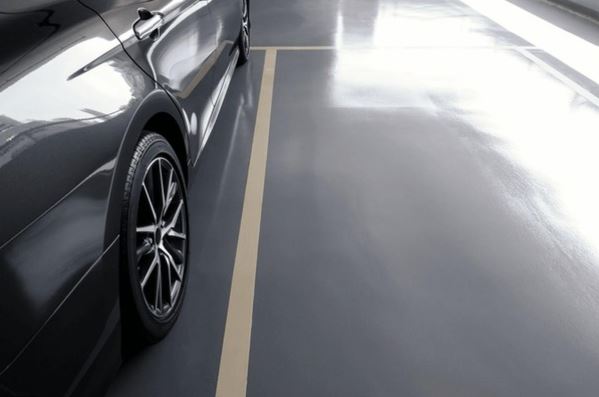
Ever walked into your garage and felt a bit underwhelmed by that cracked, stained concrete floor staring back at you? Perhaps you’ve wondered why your neighbour’s garage looks like it belongs in a showroom while yours resembles something from a construction site? You’re definitely not alone in this.
Your garage floor puts up with a lot. We’re talking about oil drips, chemical spills, heavy tools dropping, and the constant weight of vehicles rolling in and out. Yet most of us barely give it a second thought until the damage becomes impossible to ignore. The truth is, a quality garage floor coating does more than just make things look pretty—it protects your concrete investment and can genuinely transform how you use your space.
In this guide, we’ll explore everything you need to know about garage floor coatings. From understanding the different types available to figuring out whether you should tackle the job yourself or call in the professionals, we’ve got you covered. Plus, we’ll break down the costs involved for Australian homeowners and share tips on keeping your coated floor looking brilliant for years to come. Let’s get stuck into it.
Understanding Garage Floor Coatings: The Basics
So, what exactly is garage floor coating, and why should you bother with it? Simply put, it’s a protective layer applied over your concrete floor that shields it from damage, stains, and general wear. Think of it like sunscreen for your garage—it creates a barrier between the concrete and everything you throw at it.
A quality coating typically lasts between 10 and 20 years, depending on the type you choose and how well you maintain it. Epoxy coatings generally sit at the lower end of that range, while polyaspartic options can push towards the upper limits with proper care. Of course, your usage patterns matter too—a workshop sees more action than a simple car storage space.
How do you know when your floor needs attention? Keep an eye out for visible cracks, persistent stains that won’t shift, or areas where previous coatings have started peeling. If water no longer beads on the surface or you notice dusting (that chalky residue concrete sometimes produces), it’s time to consider a fresh coating.
Types of Garage Floor Coating Solutions
Epoxy Garage Floor Coatings
Epoxy coating has been the go-to choice for garage floors for decades, and there’s good reason for that. It’s made from a combination of resin and hardener that chemically bond to create an incredibly durable surface. Once cured, it forms a thick, glossy finish that resists most chemicals, oils, and everyday wear.
Is epoxy worth it for your garage? For most Australian homeowners, absolutely yes. It offers excellent value for money, comes in various colours and finishes (including those fancy flake designs), and can handle the demands of a busy household garage. Just bear in mind that epoxy doesn’t love UV exposure—if your garage door stays open frequently, you might notice some yellowing over time.
The pros include impressive durability, chemical resistance, and an attractive finish that’s easy to clean. On the flip side, epoxy takes several days to cure fully, it can be slippery when wet, and it doesn’t perform brilliantly in extreme temperature fluctuations. For garages in regions with harsh summers, this is worth considering.
Polyurethane Garage Floor Coatings
Polyurethane sits a step above epoxy in some respects. While epoxy excels at bonding to concrete, polyurethane offers superior flexibility and UV resistance. Many professionals actually recommend using both—epoxy as a base coat with polyurethane on top for maximum protection.
Compared to epoxy, polyurethane creates a slightly softer finish that’s less prone to scratching and handles temperature changes better. It’s particularly brilliant for garages that double as workshops where you might be moving heavy equipment around regularly. The flexibility means it won’t crack as easily under stress.
Polyurethane works best when you want that extra layer of protection without sacrificing appearance. It’s especially popular in coastal areas of Australia where salt air can be tough on coatings. The investment is slightly higher than epoxy alone, but the longevity often makes it worthwhile.
Polyaspartic Garage Floor Coatings
Here’s where things get exciting. Polyaspartic coating is relatively newer to the market but has quickly gained popularity among Australian homeowners. It’s essentially a type of polyurethane with some seriously impressive advantages.
The standout feature? Cure time. While epoxy might keep you out of your garage for days, polyaspartic can cure in just a few hours. You could literally have your floor coated in the morning and park your car by evening. It also handles UV exposure brilliantly (no yellowing), works in a wider temperature range, and offers exceptional durability.
Australian homeowners are choosing polyaspartic because it suits our climate perfectly. Whether you’re in scorching Queensland or chilly Tasmania, this coating performs consistently. The catch? It comes with a higher price tag and requires professional application—the fast cure time that’s a benefit for users makes it tricky for DIY enthusiasts.
Concrete Sealers and Paint
Not everyone needs a full coating system. Sometimes a simple concrete sealer does the job nicely, particularly if your garage sees light use or you’re working with a tight budget. Sealers penetrate the concrete to provide basic protection against moisture and staining without building up a thick surface layer.
Garage floor paint is another budget-friendly option. It’s straightforward to apply and comes in countless colours, but don’t expect the durability of proper coatings. Paint tends to wear through in high-traffic areas and may need reapplication every few years.
These options make sense if you’re renting, preparing a house for sale, or simply want a quick refresh without major investment. They won’t deliver the same performance as epoxy or polyaspartic, but they’re honest solutions for specific situations.
How to Choose the Best Garage Floor Coating for Your Home
Selecting the right coating comes down to three main factors: your local climate, how you use your garage, and your budget. In Australia’s varied conditions, this matters more than you might think.
For hot, sunny regions, polyaspartic or UV-stable polyurethane makes more sense than standard epoxy. If you’re in a cooler area where your garage stays relatively protected from direct sunlight, epoxy offers excellent value. Consider what activities happen in your garage too—workshops need tougher coatings than simple storage spaces.
Should you DIY or hire professionals? That depends on your confidence level and the coating type you choose. Epoxy kits are readily available at hardware stores and manageable for handy homeowners. Polyaspartic, however, really demands professional application due to its rapid cure time.
DIY Garage Floor Coating Guide
Fancy tackling this yourself? The basic process involves thorough cleaning, concrete repair, etching or grinding the surface, and then applying the coating in thin, even layers. Preparation is genuinely 80% of the job—skip it, and your coating won’t bond properly.
Common mistakes include not allowing enough cure time between coats, applying coating too thickly, and ignoring humidity conditions. Also, many DIYers underestimate how much product they need. Always buy slightly more than you calculate.
Call in professionals if your concrete has serious damage, if you’ve chosen a fast-curing product, or if you simply want guaranteed results. Sometimes peace of mind is worth the extra cost.
Cost of Garage Floor Coating in Australia
For a standard double garage, DIY epoxy kits run between for materials. Professional installation typically ranges from, depending on the coating type and your location. Polyaspartic professional installation sits at the higher end, often.
Hidden costs to budget for include concrete repairs, proper cleaning equipment, and potentially garage clearance if professionals are handling the job. Some installers charge extra for moving items.
Is professional installation worth it? If you value your time and want guaranteed results, absolutely. Professionals bring experience, commercial-grade products, and warranties that DIY simply can’t match.
Maintaining Your Garage Floor Coating
Keeping your coated floor looking sharp is surprisingly simple. Regular sweeping prevents grit from scratching the surface, and occasional mopping with mild detergent handles most spills. Avoid harsh chemicals and abrasive cleaners—they can dull the finish over time.
For stubborn stains, act quickly. Most coatings resist penetration if you catch spills early. Keep a bag of absorbent material handy for oil drips.
Plan on recoating every 10 to 15 years for epoxy, potentially longer for polyaspartic. Watch for worn areas near the garage door and under parking spots—these typically show wear first.
Making the Right Choice for Your Home
Choosing a garage floor coating ultimately comes down to balancing your needs, budget, and expectations. Epoxy remains a solid, affordable choice for most households. Polyaspartic offers premium performance for those willing to invest more. Sealers and paints serve well for lighter duties and tighter budgets.
Whatever you choose, remember that proper preparation and application make all the difference. A well-applied budget coating outperforms a poorly installed premium one every time. Take your time with the decision, prepare thoroughly, and don’t hesitate to seek professional advice if you’re uncertain.
Your garage floor works hard for you every day. Give it the protection it deserves, and it’ll reward you with years of reliable, attractive service. Now get out there and transform that tired concrete into something you’re genuinely proud of.