
 Posted by
  February 10, 2026
Have you ever walked into a room and felt something was missing, but couldn’t quite put your finger on it? What if we told you the answer might be right above your head? When was the last time you actually looked up and considered what your ceiling could do for your space?
Most of us spend countless hours choosing the perfect paint colours, flooring, and furniture. Yet the ceiling—often called the “fifth wall”—gets completely overlooked. This is a missed opportunity, especially when you consider how the right ceiling panels can completely transform the look and feel of any room. From creating a cosy, intimate atmosphere to making a bold architectural statement, your ceiling has enormous untapped potential.
In this guide, we’ll explore seven stunning ceiling panel styles that can take your interiors from ordinary to extraordinary. Whether you’re renovating a family home in Sydney, updating a Melbourne apartment, or fitting out a commercial space in Brisbane, you’ll discover options to suit every budget, style, and functional need. We’ll cover everything from budget-friendly PVC panels to luxurious timber finishes, plus practical advice on choosing and installing the perfect panels for your space. Let’s get started!
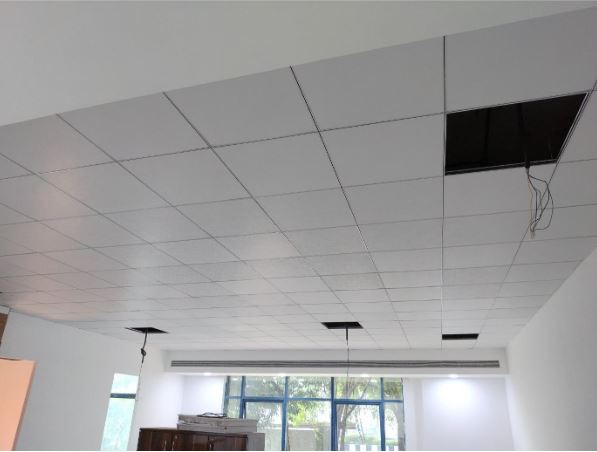
Acoustic Ceiling Panels
Acoustic ceiling panels are specifically designed to absorb sound and reduce noise levels within a room. Made from materials like mineral fibre, fibreglass, or foam, these panels work by trapping sound waves rather than letting them bounce around the space. They’re incredibly effective at minimising echo and creating a more comfortable acoustic environment.
PVC Ceiling Panels
PVC panels have become incredibly popular across Australia, and it’s easy to see why. They’re lightweight, affordable, and available in a huge range of colours and patterns. You can find options that mimic timber, marble, or even decorative plaster at a fraction of the cost.
With proper installation, PVC ceiling panels typically last 15 to 20 years. They’re resistant to moisture, won’t rot or warp, and are incredibly easy to clean—just wipe them down with a damp cloth. This durability makes them excellent value for money.
PVC panels are perfect for wet areas where traditional plaster would struggle. Bathrooms, kitchens, and laundries benefit enormously from their moisture resistance. They won’t grow mould or mildew, making them a hygienic choice for these high-humidity spaces. Installation is straightforward too, which keeps labour costs down.
Timber and Wood-Look Ceiling Panels
Nothing quite matches the warmth and character that timber brings to a space. Whether you opt for natural hardwood or engineered timber panels, wood ceilings create an inviting atmosphere that works beautifully in Australian homes. They complement our love of indoor-outdoor living and natural materials perfectly.
For Australian conditions, hardwoods like spotted gum, blackbutt, and Victorian ash are excellent choices. They’re durable and handle our climate well. Engineered timber panels offer similar aesthetics with better dimensional stability, making them ideal for areas with temperature fluctuations. Cedar is another fantastic option, naturally resistant to insects and decay.
Pair timber ceiling panels with neutral walls and natural textures for a relaxed coastal vibe. In contemporary spaces, opt for sleek, uniform panels in lighter tones. For a more rustic feel, consider reclaimed timber with visible character marks. Timber ceilings work particularly well in living areas, bedrooms, and covered outdoor entertaining spaces.
Metal Ceiling Panels
Metal ceiling panels offer a sleek, modern aesthetic that’s gaining traction in both residential and commercial projects. They’re durable, fire-resistant, and available in various finishes from brushed aluminium to powder-coated colours.
Aluminium is lighter, naturally rust-resistant, and easier to work with, making it the preferred choice for most ceiling applications. Steel is stronger and often more affordable but requires protective coatings to prevent corrosion. For coastal Australian properties, aluminium is definitely the better option due to salt air exposure.
Metal panels suit industrial-style lofts, modern kitchens, and commercial spaces beautifully. They reflect light well, helping to brighten rooms. Maintenance is minimal—occasional dusting keeps them looking sharp. Just keep in mind that metal can amplify sound, so pairing them with soft furnishings or acoustic treatments is a smart move.
Gypsum and Plasterboard Ceiling Panels
Gypsum and plasterboard remain the classic choice for Australian ceilings. They provide that smooth, seamless finish we’re all familiar with and can be painted any colour to match your décor. This versatility makes them enduringly popular.
While it’s technically possible to DIY plasterboard ceilings, it’s challenging work. The sheets are heavy, and achieving a professional finish requires skill in taping and mudding joints. For best results, calling in a professional plasterer is usually worthwhile. However, smaller repairs are definitely manageable for confident DIYers.
Gypsum panels sit in the mid-range for cost. They’re more affordable than timber but pricier than basic PVC. The real expense often lies in installation and finishing labour. When budgeting, factor in painting costs too, as gypsum requires a proper finish to look its best.
Decorative and 3D Ceiling Panels
Want to make a genuine statement? Decorative and 3D ceiling panels add texture, depth, and visual interest that flat ceilings simply can’t match. Available in materials ranging from plaster to lightweight polymers, these panels create stunning focal points.
Not particularly. Most decorative panels just need occasional dusting with a soft brush or vacuum attachment. The grooves and patterns can collect dust over time, but regular light cleaning keeps them looking fantastic. Avoid harsh chemicals that might damage the finish.
Feature walls—or rather, feature ceilings—work brilliantly in entry foyers, dining rooms, and master bedrooms. They’re also stunning in commercial spaces like boutique hotels, restaurants, and retail stores. Use them strategically; covering an entire home in 3D panels would be overwhelming. Sometimes less truly is more.
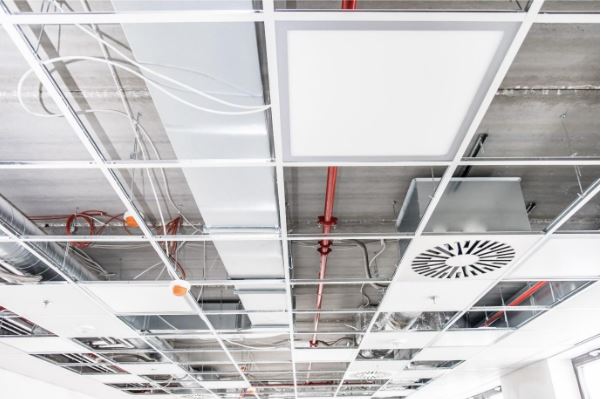
Suspended and Drop Ceiling Panels
Suspended ceilings consist of a metal grid framework hanging below the structural ceiling, with panels dropping into the grid. This creates a gap between the two surfaces, which offers some clever practical benefits.
Drop ceilings excel at concealing services like ducting, wiring, and plumbing. This makes future maintenance and upgrades much simpler—just lift out a panel and access what you need. They also help with thermal and acoustic insulation, potentially reducing energy bills.
The grid system attaches to the existing ceiling or structural elements using wires or rods.
Panels then rest in the framework, held in place by gravity. Installation is relatively straightforward, and individual panels can be replaced easily if damaged. Modern suspended ceiling systems look far more refined than the dated office ceilings of the past.
How to Choose the Right Ceiling Panels for Your Space
Selecting ceiling panels involves balancing several factors: your budget, the room’s purpose, and your overall design vision. Consider moisture levels, acoustic requirements, and how much maintenance you’re willing to do. A bathroom needs different panels than a formal lounge room.
PVC panels typically offer the best value, with materials and installation coming in at the lower end of the scale. Basic plasterboard is also affordable, though finishing costs add up. For tight budgets, PVC in wet areas and plasterboard elsewhere often makes the most financial sense.
Your ceiling should complement, not compete with, your overall design scheme. Minimalist interiors suit smooth, clean finishes. Traditional homes might call for decorative pressed metal or detailed plasterwork. Contemporary spaces can handle bolder choices like timber or industrial metal.
Ceiling Panel Installation: DIY or Professional?
For plasterboard, large-scale projects, or anything involving electrical work, professional installation is strongly recommended. Complex designs, high ceilings, and structural considerations also warrant expert help. A poor installation can lead to sagging, cracking, and costly repairs down the track.
Costs vary significantly depending on material and complexity. Expect to pay anywhere from per square metre installed, depending on your choices. Get multiple quotes and check references before committing. Remember, quality installation protects your investment.
Final Thoughts on Elevating Your Interiors with Ceiling Panels
Your ceiling doesn’t have to be an afterthought. From sound-absorbing acoustic panels to stunning decorative designs, there’s a ceiling solution for every space, style, and budget. The seven options we’ve explored offer something for everyone, whether you’re after practicality, aesthetics, or both.
Take the time to consider what you truly need from your ceiling. Think about the room’s function, your design preferences, and your budget. Don’t be afraid to mix different panel types throughout your home—PVC in the bathroom, timber in the living area, and perhaps something decorative in the entrance.
Whatever you choose, upgrading your ceiling can genuinely transform your interiors. It’s one of those changes that makes people notice something different without necessarily realising what’s changed. So go on, look up—your ceiling is waiting to impress!